
E-Bike and Traditional Bike Tours
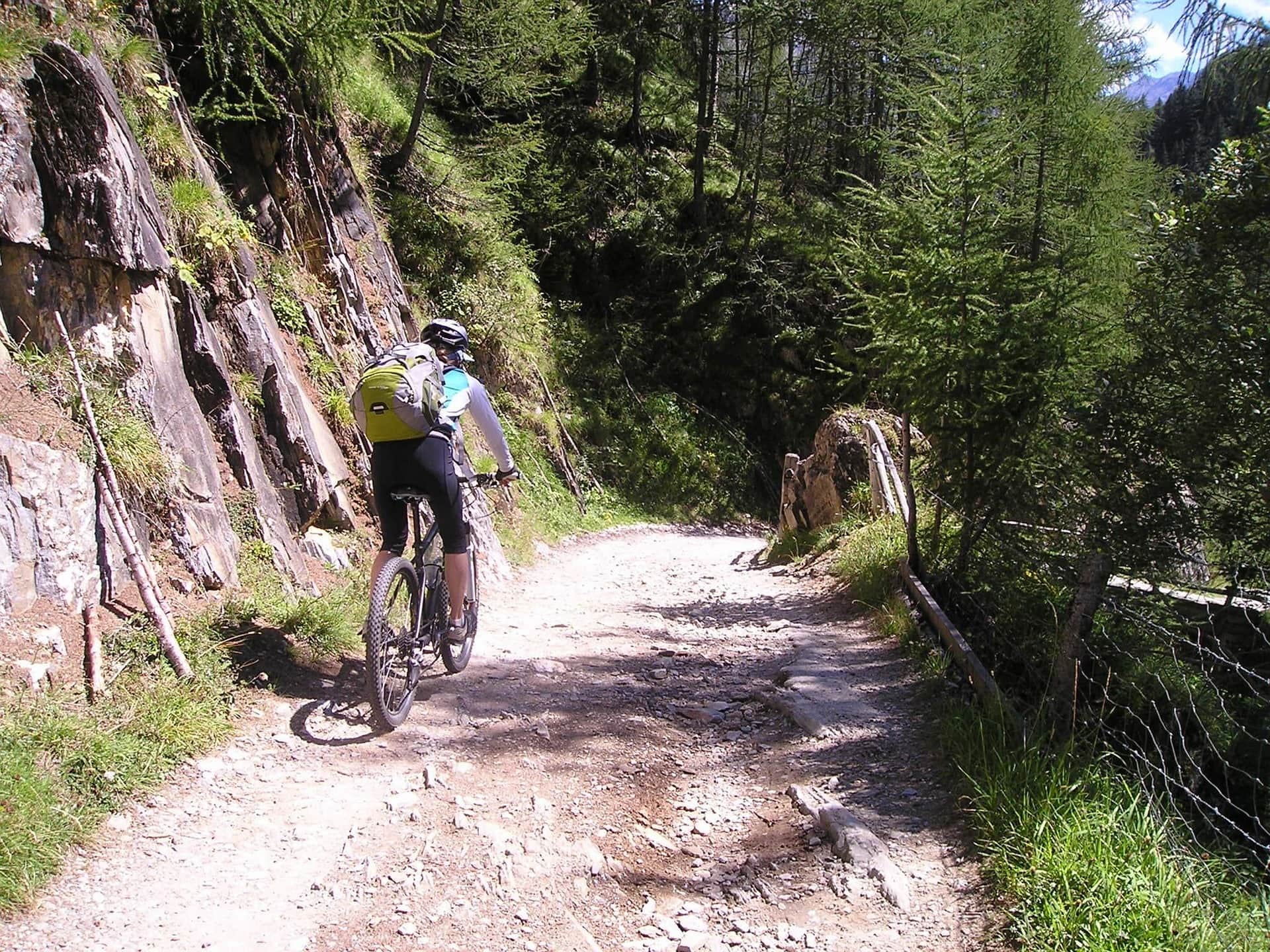
Exploring the Azores on either an E-Bike or a traditional Bike can be a fantastic way to experience the islands’ natural beauty and unique landscapes. Whether you choose an e-bike for a more assisted ride or a regular bike for a traditional experience, there are plenty of options for bike tours in the Azores. Here’s what you can expect:
E-Bike Tours:
Assisted Exploration: E-Bikes offer an extra boost of power, making it easier to tackle hills and longer distances. This can be particularly helpful when navigating the Azores’ varying terrains.
Scenic Routes: E-Bike tours often cover scenic routes, taking you through picturesque landscapes, charming villages, and stunning coastal views.
Guided Tours: Many tour companies offer guided e-bike tours led by knowledgeable local guides who can provide insights into the culture, history, and nature of the Azores.
Flexible Pace: E-bike tours are suitable for a range of fitness levels, allowing participants to choose a pace that suits their preferences.
Sustainable Travel: E-bikes are eco-friendly and align well with the Azores’ focus on sustainable tourism.
Traditional Bike Tours:
Authentic Experience: Riding a traditional bike provides a more authentic and physically engaging experience, allowing you to connect more closely with the surroundings.
Fitness Challenge: If you’re looking for a workout, traditional bike tours can offer a more physically demanding adventure.
Local Interactions: Biking through local villages and towns allows you to interact with residents and experience daily life up close.
Group or Self-Guided: You can choose to join a guided group tour or plan your own self-guided bike itinerary based on your interests.
Kayaking
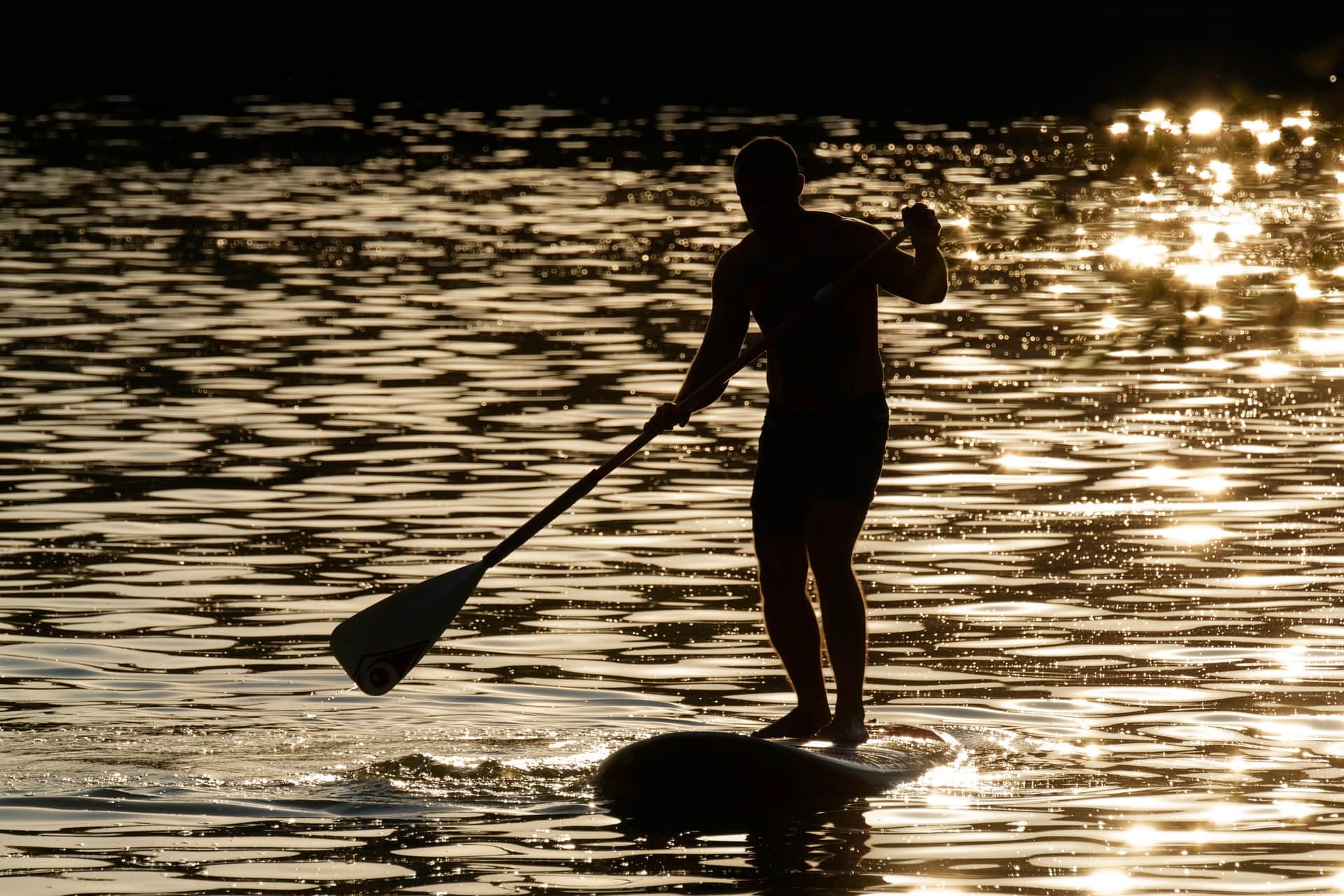
Kayaking in the Azores is a fantastic way to experience the stunning coastal landscapes, crystal-clear waters, and marine life of the archipelago. Whether you’re a beginner or an experienced kayaker, there are plenty of opportunities to enjoy this activity. Here’s what you can expect when kayaking in the Azores:
Coastal Exploration: Kayaking allows you to explore the Azores’ coastline, which features dramatic cliffs, hidden coves, and serene lagoons. Paddle along the shores and discover secluded spots that can’t be accessed by other means.
Marine Life Encounters: The Azores are known for their rich marine biodiversity. While kayaking, you might have the chance to spot dolphins, whales, sea turtles, and a variety of fish.
Cave Exploration: Some kayak tours might take you to coastal caves and grottoes that you can enter and explore, providing a unique perspective of the islands.
Snorkeling Opportunities: Many kayak tours include snorkeling stops, allowing you to discover the underwater world of the Azores up close.
Guided Tours: Guided kayak tours are available for individuals or small groups.
Photography Opportunities: The unique landscapes of the Azores provide ample opportunities for photography, so consider bringing waterproof or protective cases for your camera or smartphone.
Useful links:
https://hominisnatura.com/kaya...
https://www.bookingpico.com/ka...
When planning a kayaking adventure in the Azores, it’s a good idea to research local kayak tour operators and read reviews to find reputable and experienced guides. Additionally, consider the duration of the tour, the types of kayaks available, and any specific locations you’d like to visit during your kayaking experience.
Experience the ultimate swimming experience
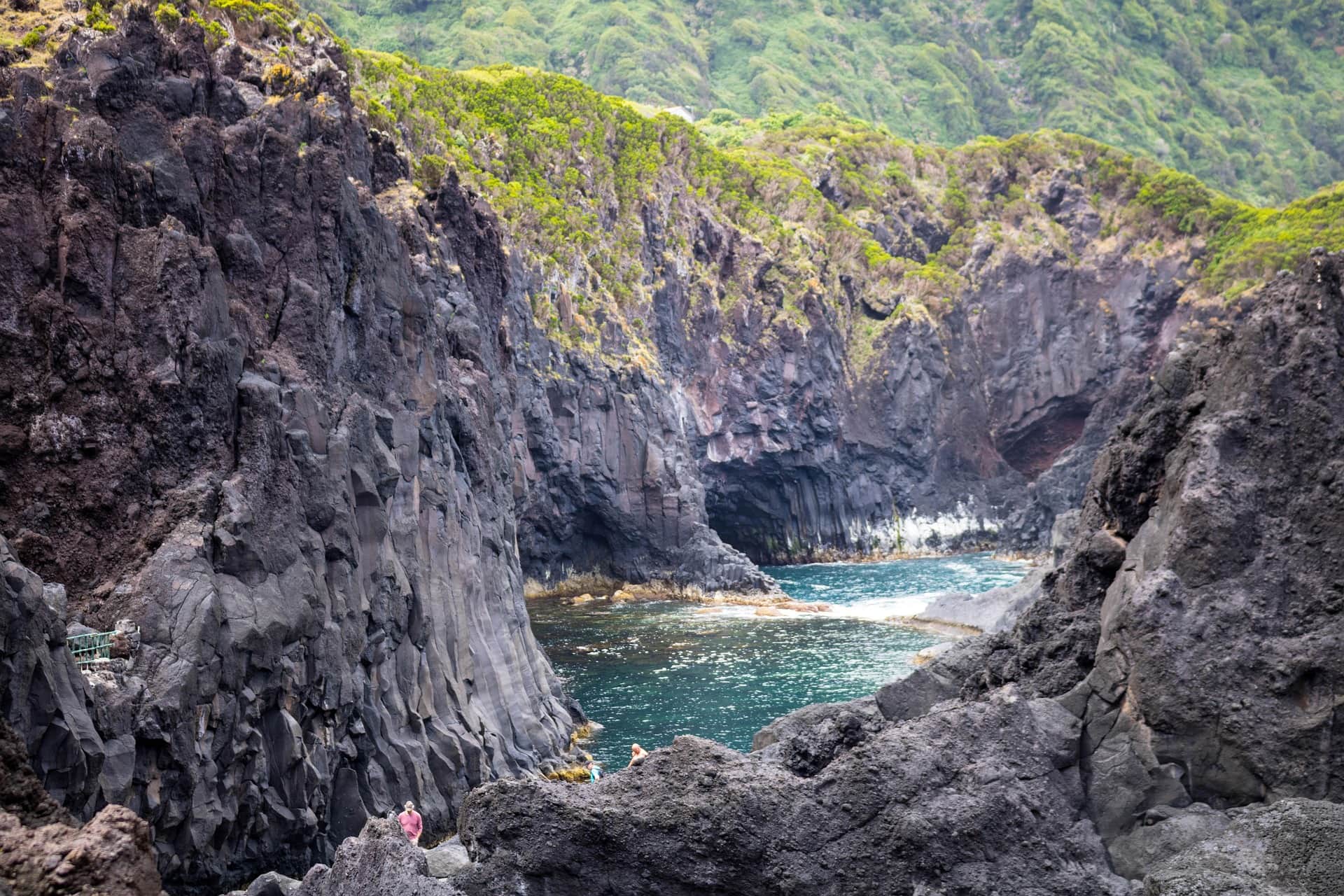
Pico Island in the Azores is known for its unique natural beauty and features several natural swimming pools, which are formed by volcanic rocks. Here’s a list of some of the notable natural pools on Pico Island.
Poça das Mujas – Located near São Roque, this is a popular spot with clear waters and stunning views of the ocean.
Lajes do Pico Pools – Found in the town of Lajes do Pico, these pools are known for their accessibility and beautiful surrounding.
São Roque Pools – These natural pools are situated in São Roque and are well-liked for their clear waters and scenic setting.
Piscinas Naturais de São Mateus – Located in São Mateus, these pools offer a tranquil swimming experience with a view of the picturesque landscape.
Madalena Pools – Near the town of Madalena, these pools are favored by both locals and tourists for their natural beauty and clear waters.
Piscina Natural de Santa Luzia – This is a lesser-known spot near Santa Luzia, offering a more secluded and serene swimming experience.
Cachorro Pools – These pools, located near Cachorro, are known for their unique rock formations and natural beauty.
Each of these natural pools offers a unique experience, surrounded by the rugged, volcanic landscape of Pico Island. They provide an excellent way to enjoy the natural environment and cool off, especially during the warmer months.
Changing Facilities and showers: nearly all natural pools and beaches have changing facilities and fresh water showers nearby.
Snorkeling: Snorkeling is a great way to explore the underwater world of the Azores. The crystal-clear waters provide excellent visibility, allowing you to see colorful marine life, underwater rock formations, and even shipwrecks.
Dolphin and Whale Watching Swims: Some tour operators offer unique experiences where you can swim with dolphins or whales in their natural habitat. These experiences are designed to be respectful of the animals’ well-being.
Guided Tours: If you’re looking for the best swimming spots and want to learn about the local marine life and ecology, consider joining guided swimming tours led by knowledgeable guides
Safety Precautions: Always prioritize safety while swimming. Be aware of currents, tides, and weather conditions. Follow any safety guidelines provided by local authorities or tour operators.
Respect for the Environment: As with any natural area, it’s important to respect the environment. Avoid leaving trash behind and adhere to any conservation guidelines in place.
Spearfishing in the Azores
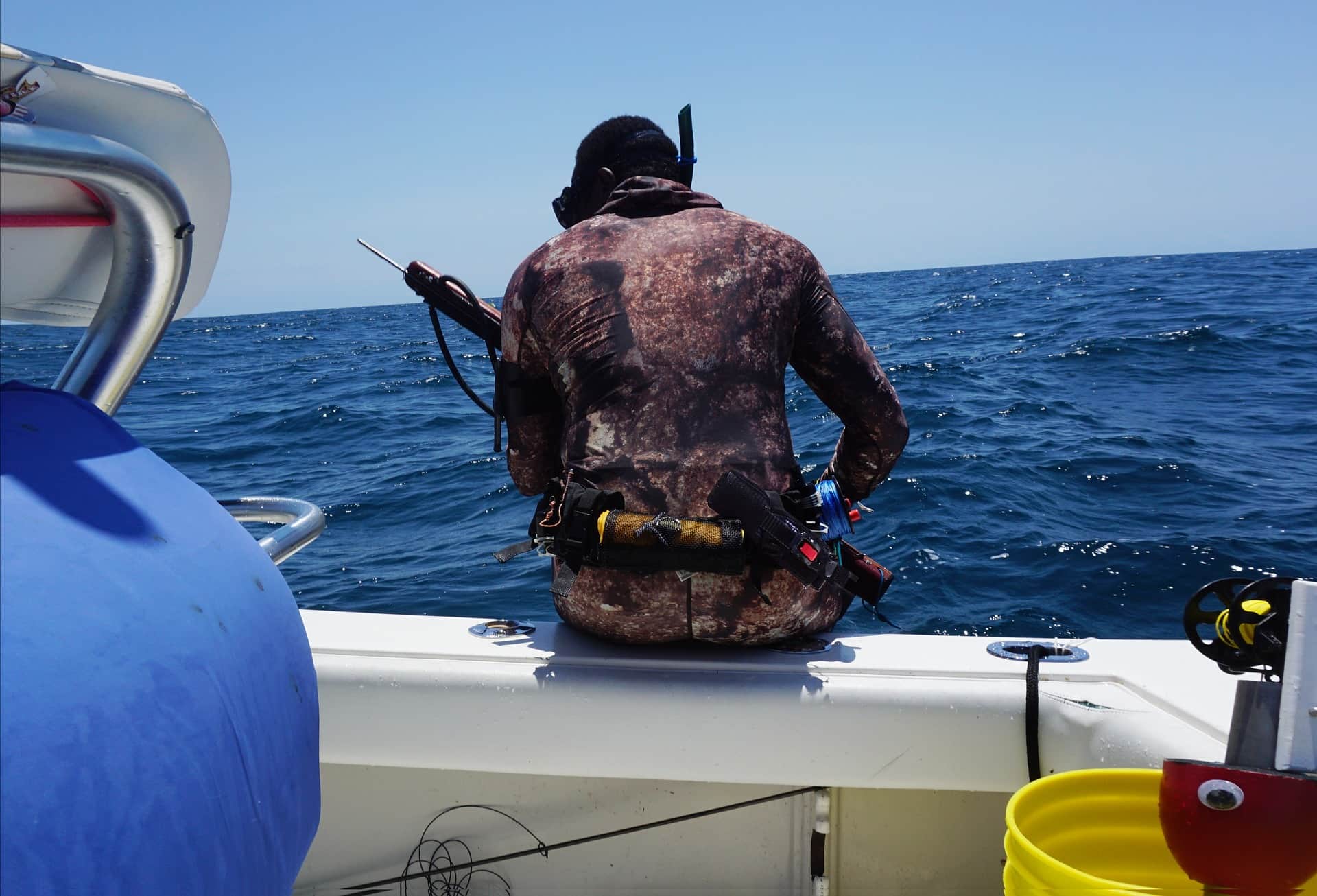
Spearfishing in the Azores offers a unique and thrilling experience for enthusiasts of this sport. The Azores archipelago, located in the middle of the North Atlantic Ocean, is known for its rich marine life and clear waters, making it an ideal destination for spearfishing. Pico Island is known for its deep waters and abundant marine life and provides excellent opportunities for spearfishing.
Legal Aspects and Regulations
Licenses: Spearfishing in the Azores requires a specific license. It’s important to adhere to the local laws and obtain this license before engaging in spearfishing activities.
Protected Areas: Some areas within the Azores are protected and spearfishing in these zones is prohibited to preserve marine biodiversity.
Seasonal Restrictions: There might be seasonal restrictions on spearfishing in certain areas to protect spawning fish or during specific marine events.
Environmental Considerations
Sustainable Practices: Spearfishing enthusiasts are encouraged to follow sustainable practices, such as targeting only mature fish and avoiding overfishing of certain species.
Respect for Marine Life: The Azores have a diverse marine ecosystem. It’s crucial to respect this environment and avoid disrupting the natural habitats of marine species.
Equipment and Techniques
Gear:
Standard spearfishing gear includes speargun, snorkels, fins, wet-suits, and dive knives. The choice of equipment may vary depending on personal preferences and the specific conditions of the dive site.
Techniques: Both free diving and scuba diving methods are used in spearfishing. However, free diving is more commonly practiced in the Azores.
Useful links:
https://www.spearfishing-chart...
https://www.dbmazores.com/en/a...
Spearfishing in the Azores is not only about the catch but also about immersing oneself in the stunning underwater world of the archipelago. It’s a sport that requires respect for the ocean and its inhabitants, along with adherence to local regulations to ensure a sustainable and safe experience.
Mountain hiking
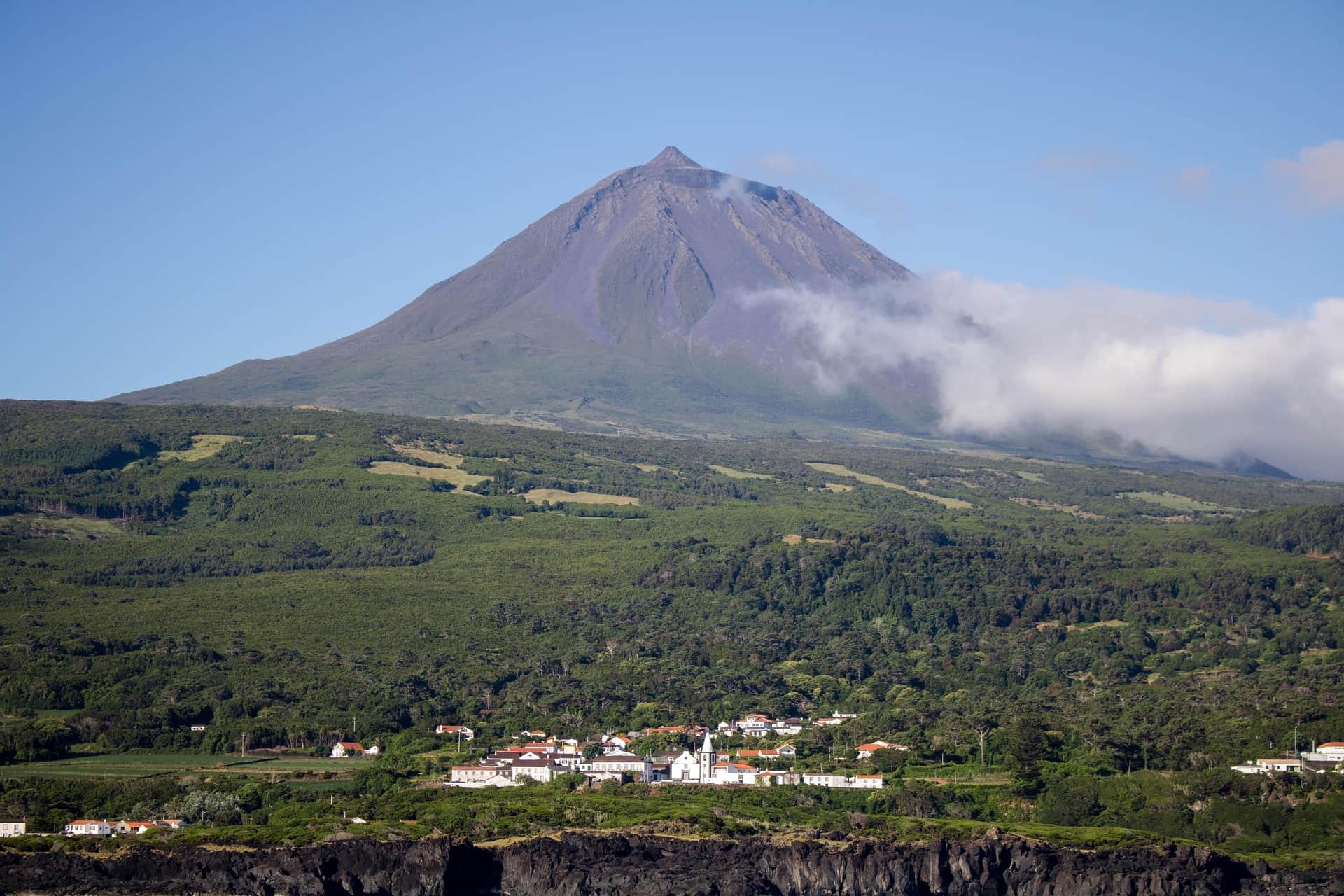
Mountain hiking on Pico Island, part of the Azores archipelago, is a truly remarkable experience, especially because it is home to Mount Pico, the highest peak in Portugal. Here’s an overview of what mountain hiking on Pico Island entails:
Mount Pico (Montanha do Pico):
Height: At 2,351 meters (7,713 feet), Mount Pico is not only the highest point in the Azores but also in Portugal.
Hiking Trail: The main trail to the summit is well-marked and challenging, offering an exhilarating experience for hikers.
Duration: The hike to the summit and back usually takes between 6 to 8 hours, depending on the hiker’s pace and weather conditions.
Guided Tours:
While it’s possible to hike Mount Pico independently, many hikers opt
for guided tours for safety and to learn more about the volcano’s
geology and the island’s biodiversity.
Preparations and Considerations
Fitness Level: The hike is strenuous and requires a good level of physical fitness.
Equipment:
Essential equipment includes sturdy hiking boots, weather-appropriate
clothing, a hat, sunscreen, plenty of water, and snacks. A walking stick
can be helpful for the descent.
Weather: Weather on
Mount Pico can be unpredictable and change rapidly. Hikers should be
prepared for varying conditions and check the weather forecast before
setting out.
Safety: It’s important to inform
someone about your hiking plans and expected return time. Also, hikers
should be aware of altitude sickness symptoms and how to respond to
them.
Other Hiking Trails
PR1PIC Trail
(Small Route of Pico Mountain): This is a shorter route that doesn’t go
to the summit but still offers beautiful views and a chance to
experience the mountain’s natural environment.
Surrounding Trails:
There are several other trails on Pico Island that offer diverse
landscapes, including vineyards, forests, and coastal paths. Flora and
Fauna
Unique Ecosystem: The mountain and surrounding areas are home to unique flora and fauna, some of which are endemic to the Azores.
Cultural Significance
Whalers’ Route: Some of the trails have historical significance, such as the routes used by whalers in the past, adding a cultural dimension to the hiking experience.
Useful links:
https://triptins.com/mount-pic...
https://www.alltrails.com/trai...
Hiking
on Pico Island, particularly the ascent of Mount Pico, is a must-do for
nature enthusiasts and offers breathtaking views and a sense of
accomplishment. It’s not only a physical challenge but also an
opportunity to connect with the unique natural beauty of the Azores.
Horse riding
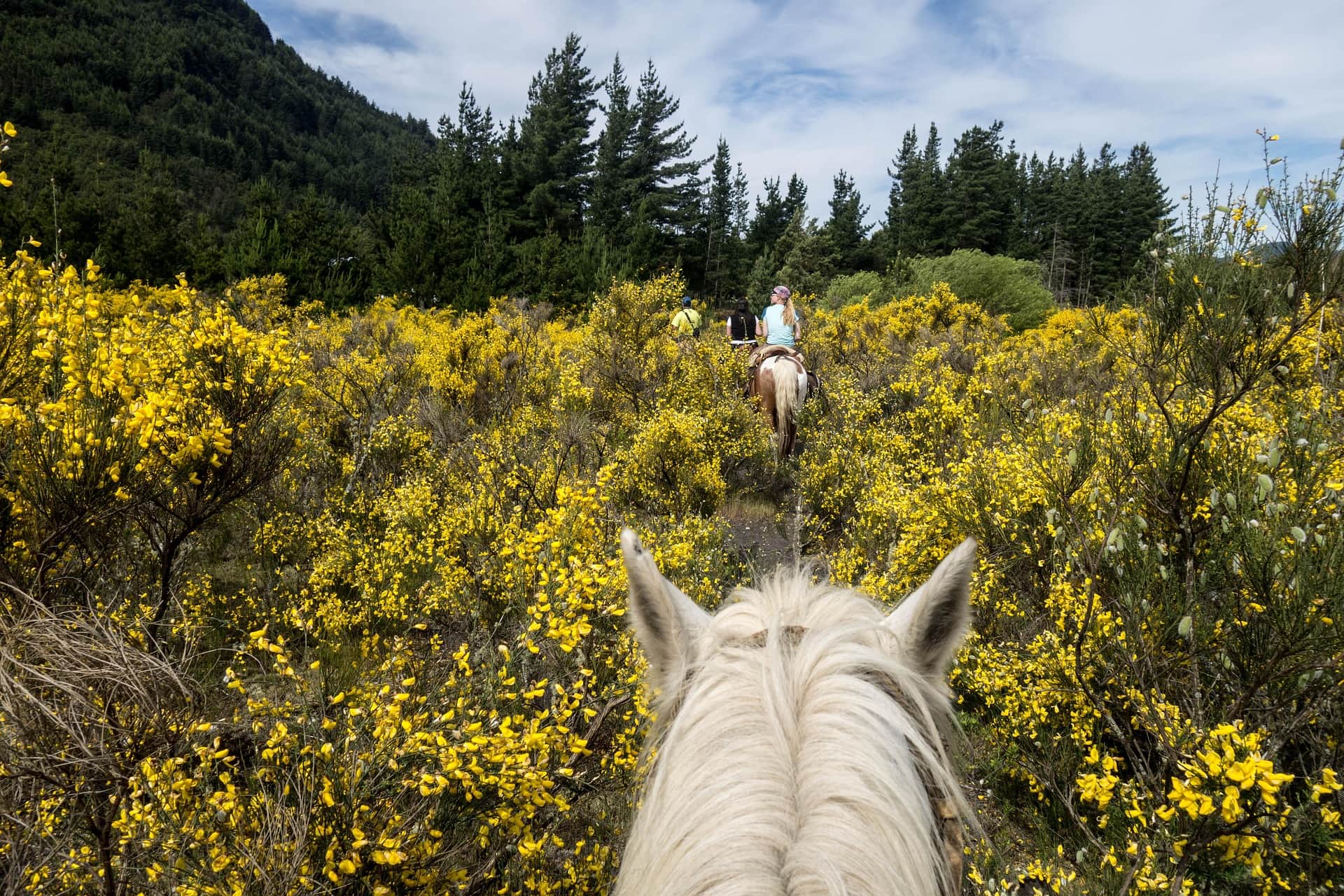
Horse riding in the Azores is a unique and enjoyable way to explore the islands’ natural beauty, lush landscapes, and scenic coastal views. Whether you’re an experienced rider or a beginner, there are opportunities to go horseback riding and connect with the islands’ culture and environment. Here’s what you should know about horse riding in the Azores:
1. Riding Experiences:
Guided Tours: Many local stables and tour operators offer guided horse riding tours. These tours are often led by experienced guides who know the trails and can provide insights into the area’s history and natural features.
Trail Options: There are trails suitable for riders of various skill levels. Whether you’re a beginner or an experienced rider, you can find a ride that matches your abilities.
2. Scenic Landscapes:
Coastal Views: Horseback riding in the Azores allows you to enjoy stunning coastal views, as well as the sight of rolling hills, forests, and volcanic landscapes.
Unique Terrain: The islands’ varied terrain provides a diverse range of riding experiences. You might ride through forests, pastures, and even along the coastline.
3. Safety and Equipment:
Horses and Gear: Reputable stables provide well-cared-for horses and necessary riding equipment, including saddles and helmets.
Safety Briefing: Guides often provide a safety briefing before the ride, ensuring that riders understand basic riding techniques and safety precautions.
4. Local Interaction:Cultural Experience: Horse riding in the Azores can provide a deeper connection to the islands’ culture and way of life, as horses have been an integral part of local traditions.
Local Guides: Riding with local guides might give you the opportunity to learn about the Azores’ history, agriculture, and local customs.
5. Environmental Considerations:
Respect Nature: As with any outdoor activity, it’s important to respect the environment. Stick to designated trails, avoid disturbing wildlife, and follow any guidelines provided by your guide.
Leave No Trace: Make sure to carry out any trash and leave the natural areas as you found them.
6. Reservations:
Advance Booking: It’s a good idea to book your horse riding experience in advance, especially during peak travel seasons.
7. Attire and Preparation:
Appropriate Clothing: Wear comfortable clothing suitable for riding, and bring layers in case the weather changes.
Footwear: Closed-toe shoes with a small heel are recommended for safety and comfort while riding.
Useful links: https://www.turispico.com/#ser...
8. Enjoy the Experience:
Relax and Enjoy: Horse riding in the Azores is not just about the ride itself, but also about immersing yourself in the beauty of the islands and enjoying a unique perspective of their landscapes.
When considering horse riding in the Azores, reach out to local stables or tour operators to inquire about available rides, skill level requirements, and any specific needs you might have. Whether you’re an experienced rider or a beginner, horse riding can be a memorable and rewarding way to explore the stunning landscapes of the Azores.