
Wine tasting
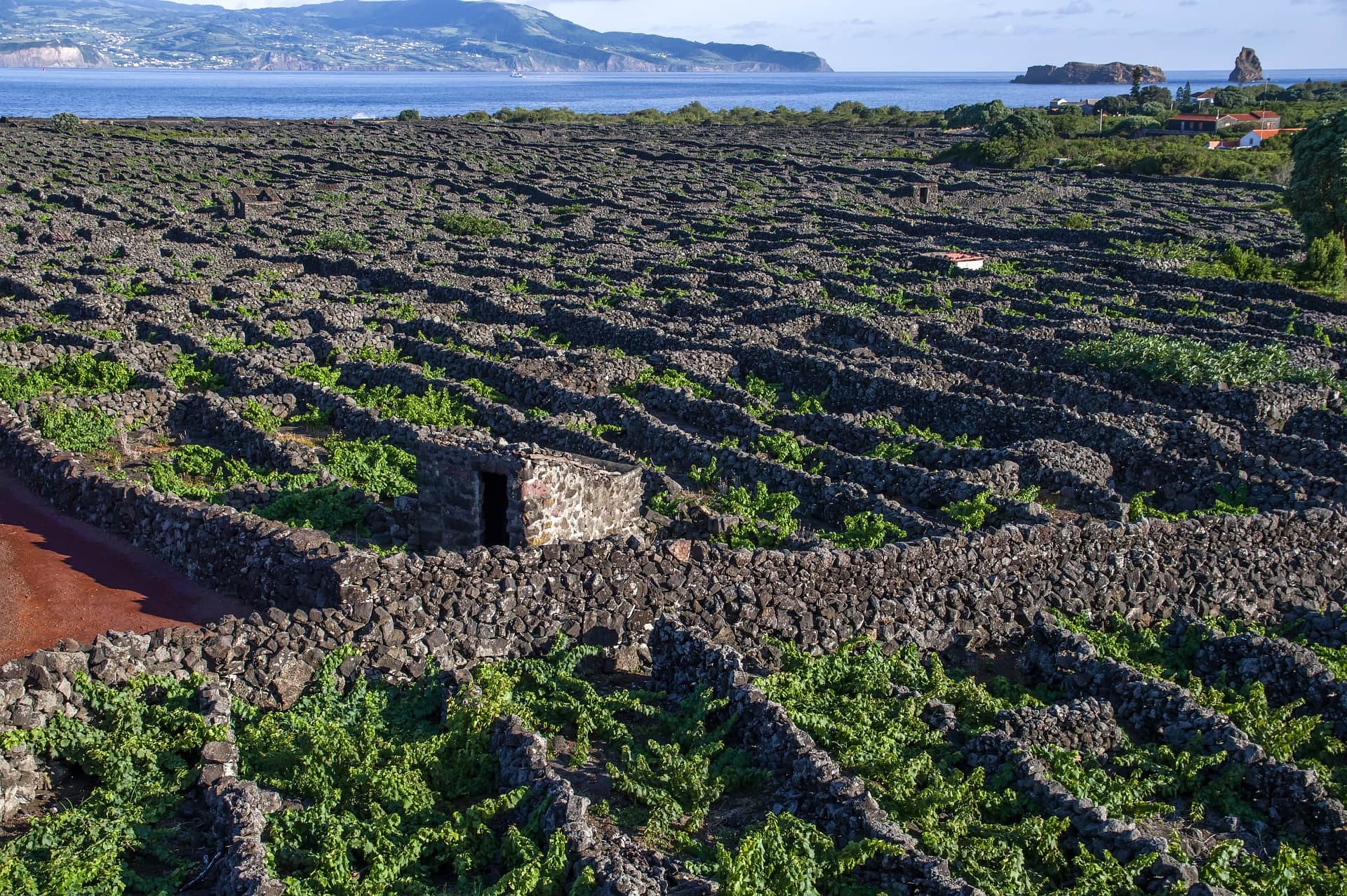
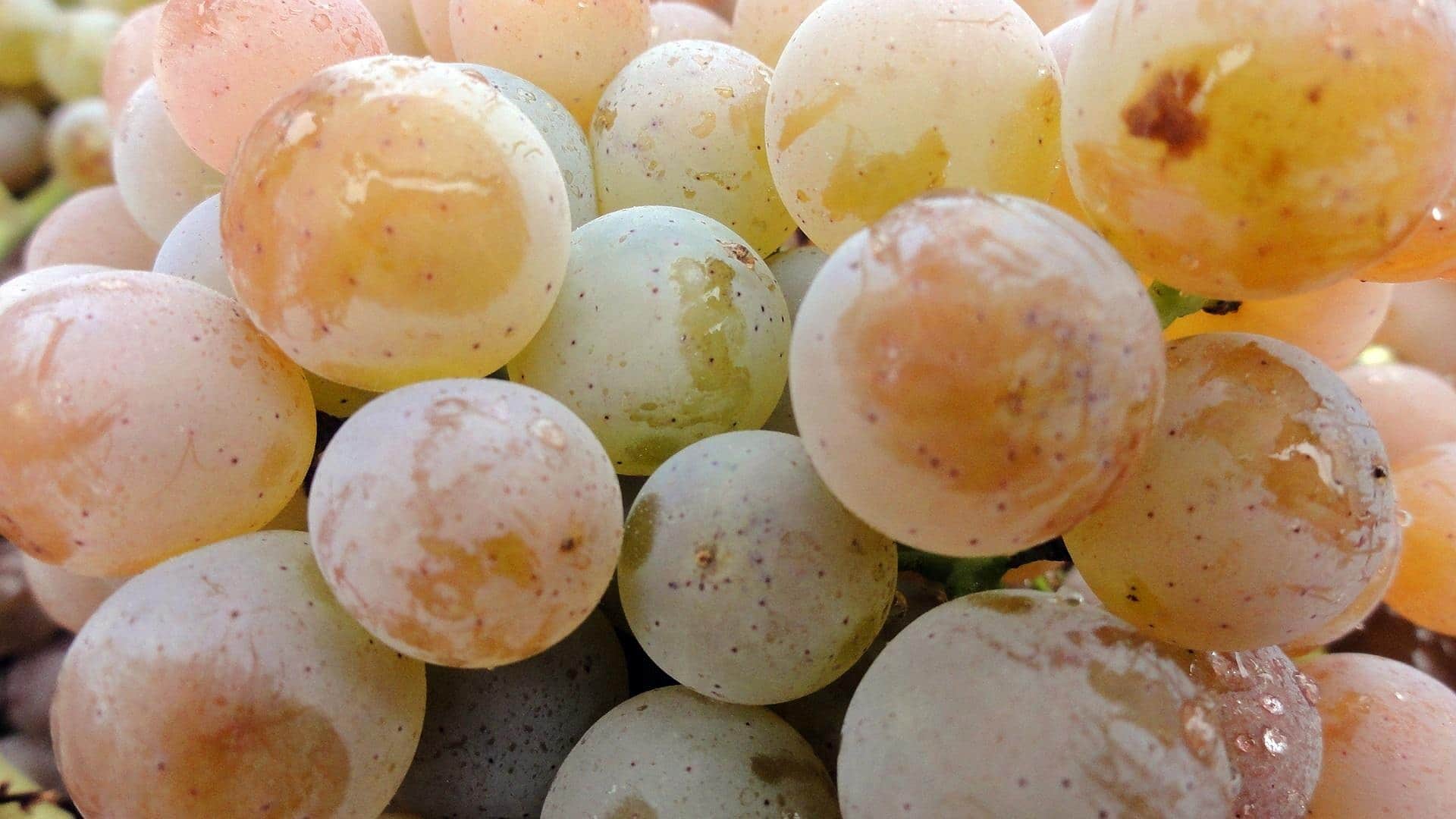
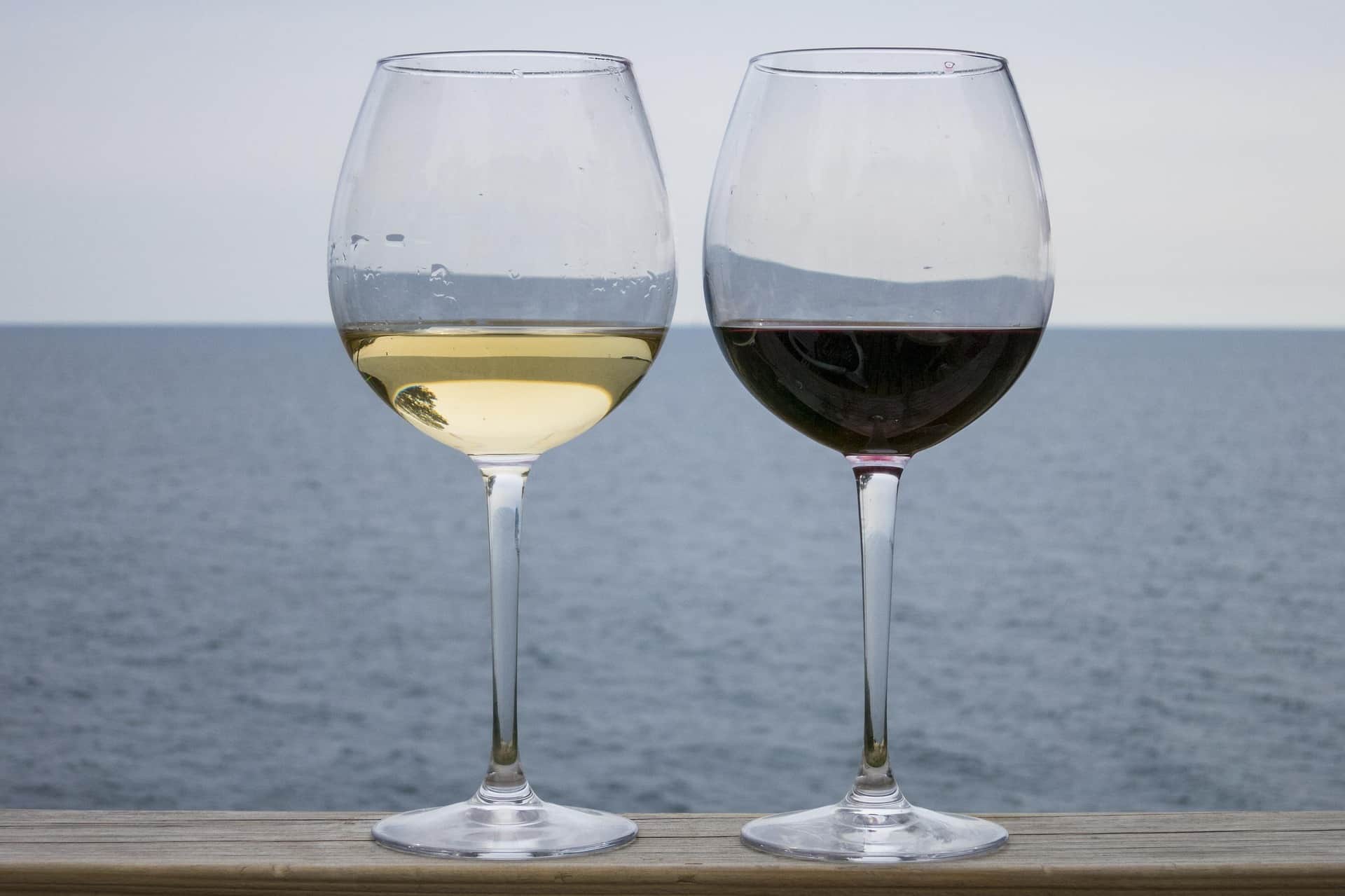
Wine tasting in the Azores is a delightful and unique experience that allows you to savor the flavors of the islands’ distinct wines while enjoying picturesque landscapes. The Azores are known for their lush vineyards, volcanic soils, and traditional wine making techniques. Here’s what you need to know about wine tasting in the Azores:
1. Wine Regions:
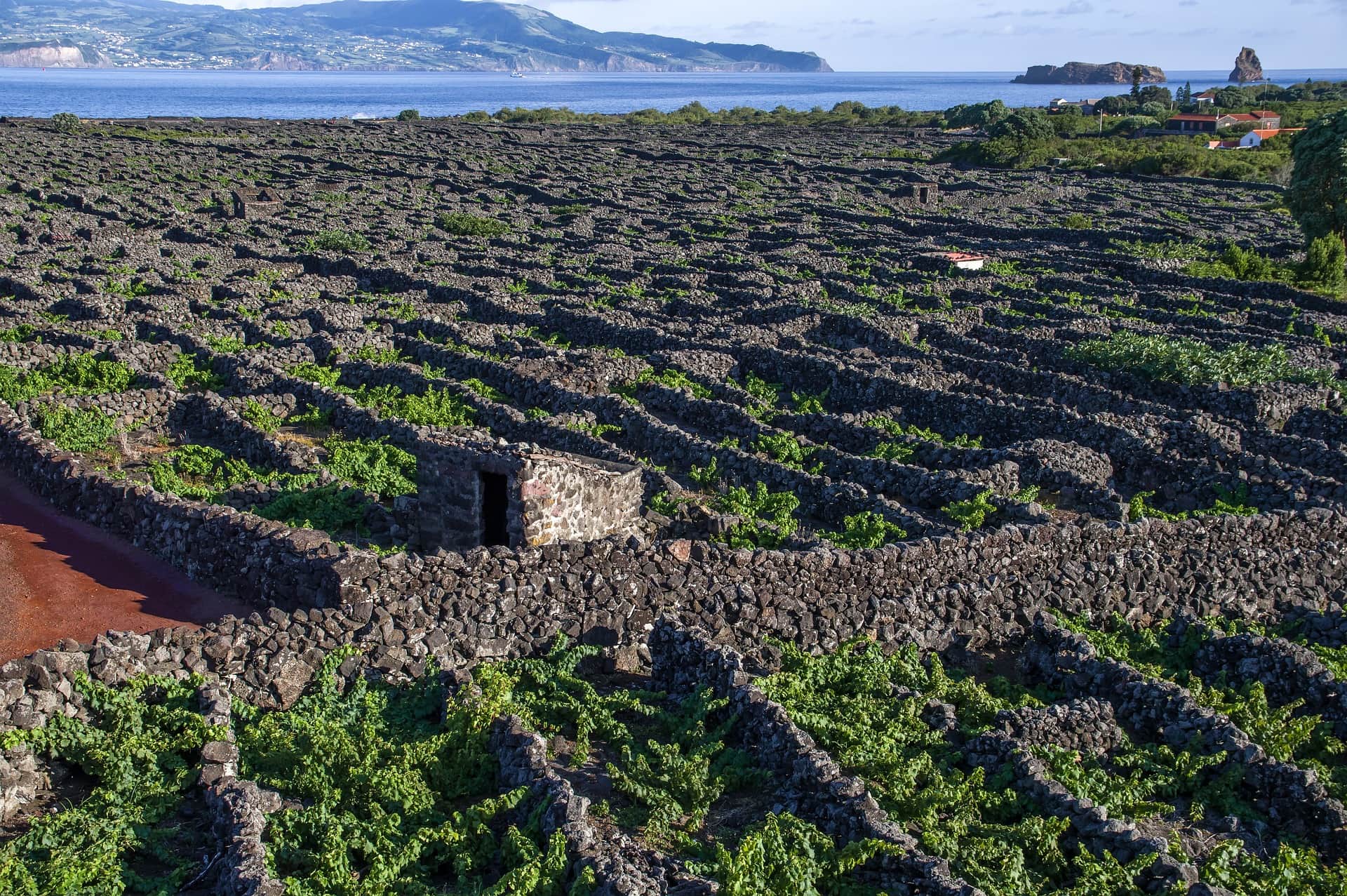
Pico Island: Pico is the most famous wine-producing island in the Azores, known for its UNESCO-listed vineyards, unique vineyard architecture (locally called “currais”), and historical wine culture.
Terceira Island: Terceira also has a growing wine scene, with vineyards producing a variety of white, red, and rosé wines.
2. Grape Varieties:
Verdelho: Verdelho is a white grape variety that’s particularly well-suited to the Azores’ volcanic soil and climate. It produces aromatic, fresh wines.
Arinto: Arinto is another white grape variety commonly grown in the Azores, known for its acidity and citrus flavors.
3. Wine Tours and Tastings:
Winery Visits: Many wineries on the Azores offer guided tours of their vineyards and cellars, followed by tastings of their wines.
Guided Tours: Consider joining guided wine tours led by knowledgeable experts who can provide insights into the winemaking process and the unique aspects of Azorean wines.
4. Wine Festivals and Events:
Wine Festivals: The Azores occasionally host wine festivals and events celebrating the islands’ wine culture. These can be great opportunities to sample a variety of wines and learn about local traditions.
5. Wine Styles:
White Wines: The Azores are known for their crisp and aromatic white wines, often made from Verdelho and Arinto grapes.
Red Wines: While white wines are more prevalent, some islands produce red wines with unique characteristics due to the volcanic soil.
6. Wine and Food Pairing:
Local Cuisine: Pair your wine tastings with traditional Azorean dishes, such as fresh seafood, cheeses, and locally grown produce.
7. Volcanic Terroir:
Unique Terroir: The volcanic soil in the Azores imparts distinctive mineral flavors to the wines, creating a unique tasting experience.
8. Purchasing Wines:
Winery Shops: Many wineries have shops where you can purchase bottles of their wines to take home as souvenirs.
9. Local Recommendations:
Ask Locals: Don’t hesitate to ask locals for recommendations on the best wineries to visit and their favorite wines.
10. Responsible Tasting:
Moderation: Enjoy wine tasting responsibly and be mindful of your alcohol consumption.:-)
Wine tasting in the Azores offers a blend of unique flavors, cultural insights, and stunning landscapes. Whether you’re a wine connoisseur or simply curious to explore the islands’ vinicultural heritage, the Azores provide a wonderful opportunity to indulge in local wines while enjoying the beauty of this Atlantic archipelago.
Useful Links:
https://www.picowines.com/en/e...
https://www.antoniomacanita.co...
https://www.facebook.com/adega...
Local cuisine
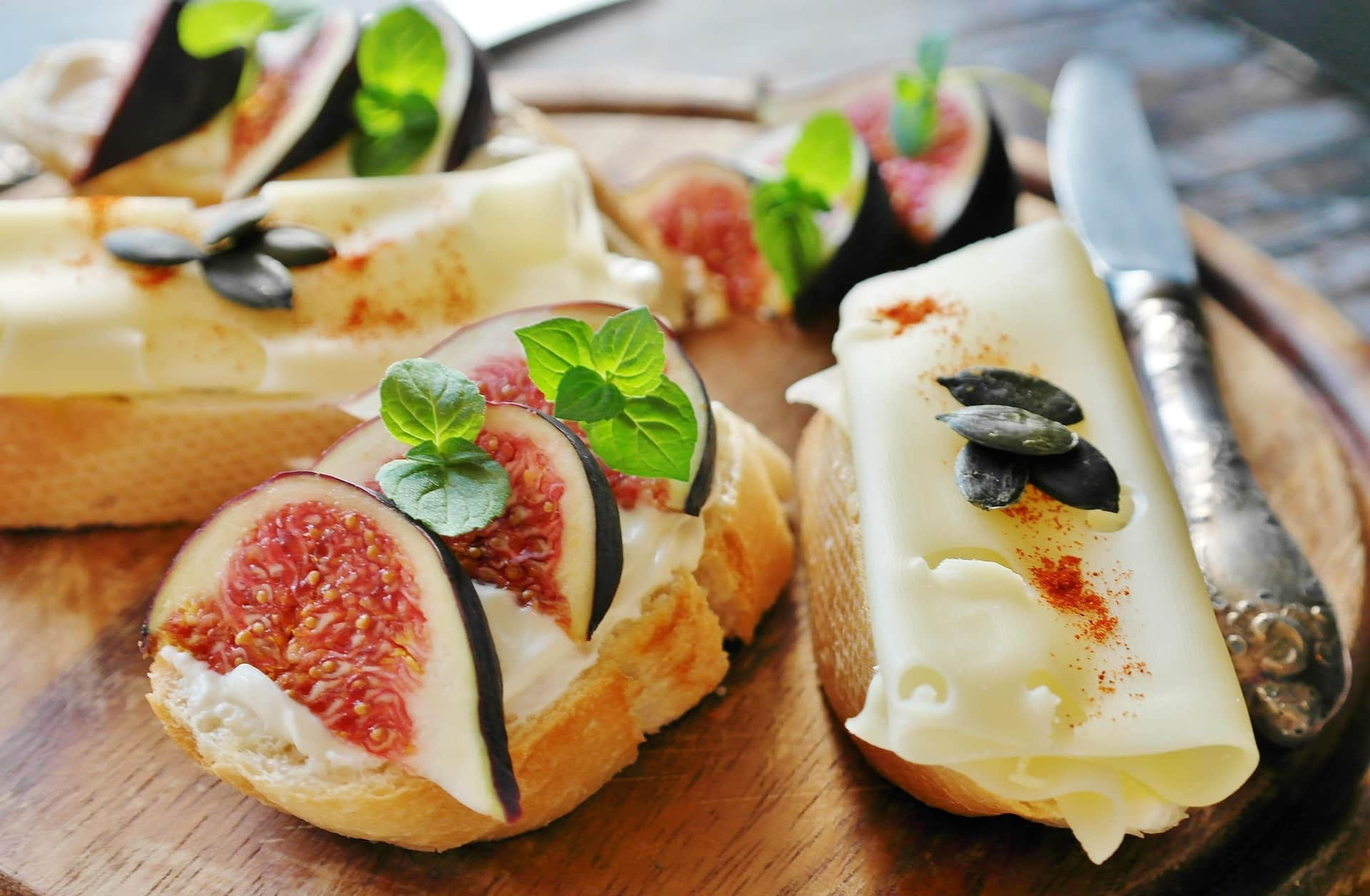
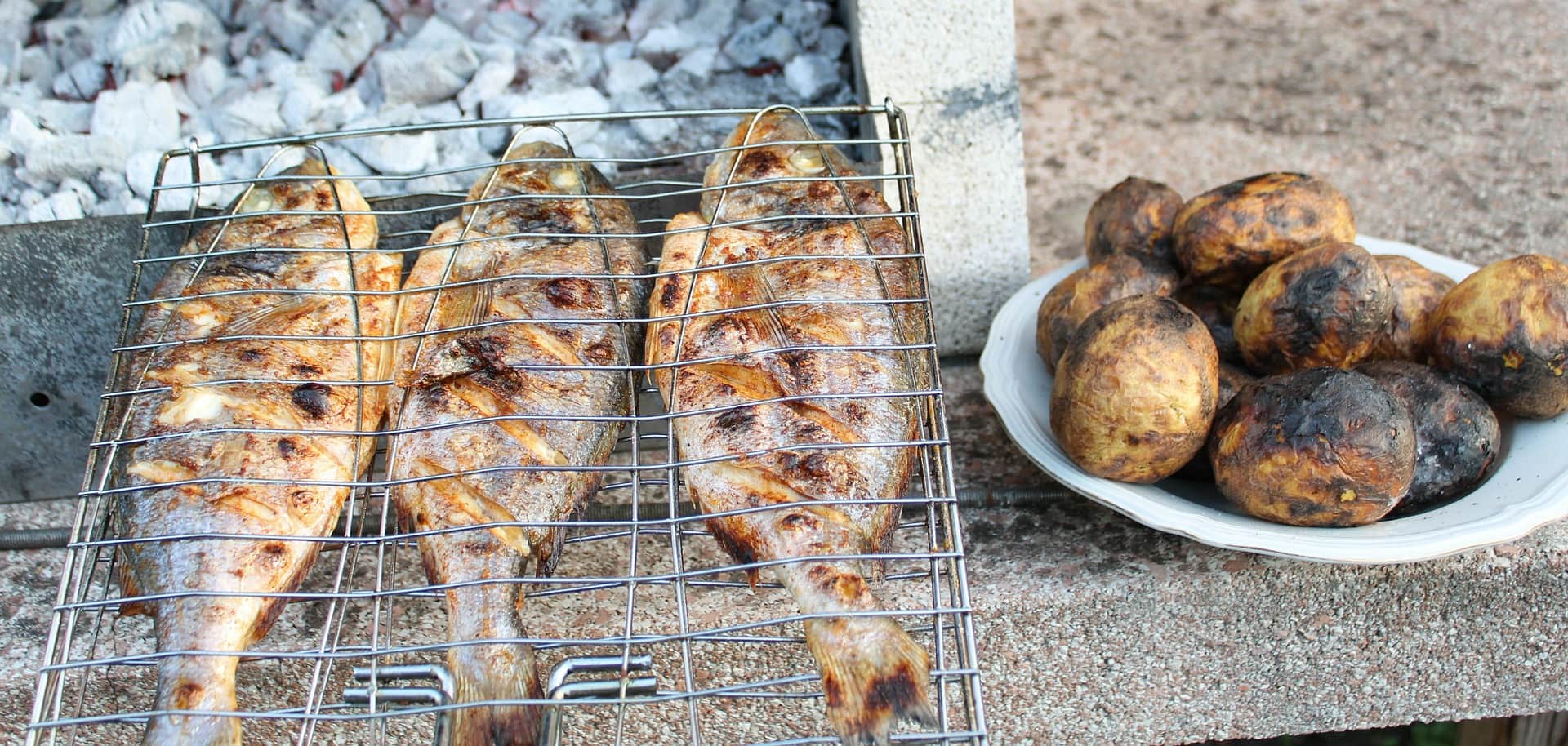

The local cuisine of the Azores is deeply rooted in the islands’ maritime history, fertile landscapes, and traditional agricultural practices. From fresh seafood to unique dairy products, the Azorean cuisine is a reflection of the archipelago’s natural resources and cultural heritage. Here are some key components of the local cuisine in the Azores:
1. Seafood and Fish:
Lapas: Grilled or cooked limpets are a popular appetizer, often seasoned with garlic, butter, and lemon.
Barnacles: Known as “percebes,” these unique-looking shellfish are typically boiled and served with a side of butter or garlic sauce.
Fish Stews: Various fish stews, such as “Caldeirada,” are prepared with a mix of locally caught fish, vegetables, and seasonings.
2. Dairy Products:
Cheese: The Azores are famous for their cheese production. Try “Queijo São Jorge,” a semi-hard cow’s milk cheese with a distinct flavor.
Yogurt: Azorean yogurt is creamy and often enjoyed with local honey or fruit.
3. Meat Dishes:
Cozido: “Cozido das Furnas” is a traditional stew cooked in geothermal heat using natural steam. It includes meats, sausages, vegetables, and potatoes.
Morcela: A type of blood sausage made from pork and spices, often served as part of a hearty meal.
4. Bread and Baked Goods:
Bolo Lêvedo: A round, slightly sweet muffin-like bread that’s often enjoyed warm and buttered.
Massa Sovada: A sweet and rich bread, similar to Portuguese sweet bread, often enjoyed during festive occasions.
5. Desserts and Sweets:
Queijadas: These small cheese tarts are a delightful treat made with local cheese, eggs, and sugar.
Malassadas: Fried dough pastries that are a popular treat during festivals.
6. Beverages:
Local Wines: The Azores produce unique wines, particularly white wines made from Verdelho grapes.
Liqueurs: Try “Ginjinha,” a cherry liqueur, and “Licor de Maracujá,” a passion fruit liqueur.
Tea: The Azores are known for their tea production. Visit a tea plantation and enjoy a cup of locally grown tea.
7. Traditional Meals and Festivals:
Alcatra: A dish of slow-cooked beef, often prepared with spices and served with rice.
Festas: Many local festivals and events feature traditional Azorean dishes as part of the celebrations.
8. Fresh Ingredients:
Local Produce: Enjoy the flavors of fresh, locally sourced fruits, vegetables, and herbs.
9. Local Markets and Restaurants:
Mercado da Graça: A popular market in Ponta Delgada where you can find a variety of local products.
Traditional Restaurants: Seek out local eateries and restaurants to experience authentic Azorean flavors.
10. Culinary Exploration:
Try Everything: Embrace the opportunity to try a variety of dishes, from seafood to traditional sweets. Exploring the local cuisine of the Azores is a delightful way to immerse yourself in the islands’ culture and traditions. With a focus on fresh ingredients and unique flavors, you’ll have the chance to savor dishes that reflect the rich history and natural bounty of this beautiful archipelago.
Culture
The culture of the Azores is a fascinating blend of influences from its rich history, maritime heritage, and the isolation of its remote island setting in the Atlantic Ocean. Here are some key aspects of Azorean culture:
1. Folklore and Traditions:
Holy Ghost Festivals: These religious celebrations are a significant cultural event in the Azores, featuring processions, feasting, and traditional music and dance.
Divino Espírito Santo: A unique tradition involving the crowning of a young girl as the Holy Spirit Queen, followed by communal meals and festivities.
Fado Music: The melancholic and soulful Fado music, often accompanied by the Portuguese guitar, can be heard in some Azorean communities.
2. Architecture and Heritage:
Whaling Lookouts: The Azores’ maritime heritage is reflected in the watchtowers and lookout points built for spotting whales during the whaling era.
Calçada Portuguesa: Cobblestone pavements found in many towns and cities showcase traditional Portuguese artistry.
3. Festivals and Events:
Carnival: Colorful and vibrant Carnival celebrations are held across the Azores, featuring parades, costumes, and street parties.
Santo Cristo Festival: This religious celebration on São Miguel Island draws pilgrims from around the world and includes processions and music.
4. Cuisine and Gastronomy:
Local Ingredients: The Azorean cuisine features fresh seafood, dairy products, and unique flavors influenced by its maritime setting and agricultural traditions.
Cozido das Furnas: A traditional stew cooked using volcanic heat in the Furnas region of São Miguel.
5. Handicrafts:
Embroidery: Azorean embroidery is known for its intricate patterns and designs, often reflecting local flora and fauna.
Ceramics: Artisans create decorative ceramics using traditional techniques, often depicting Azorean landscapes and motifs.
6. Language and Literature:
Portuguese: The official language of the Azores is Portuguese, with regional dialects and accents.
Literary Figures: The Azores have produced notable writers and poets, contributing to Portuguese literature.
7. Whaling and Maritime Heritage:
Whaling Museums: Museums across the Azores pay homage to the islands’ whaling history, showcasing tools and artifacts.
Fishing Culture: Fishing is deeply ingrained in Azorean culture, and many coastal communities maintain strong connections to the sea.
8. Religious Heritage:
Churches and Chapels: The islands are dotted with charming churches and chapels, some of which date back centuries.
Religious Festivals: The Azores have a strong Catholic tradition, and religious festivals are an important part of the cultural calendar.
9. Environmental Awareness:
Conservation: The Azores prioritize environmental conservation, and many initiatives focus on protecting marine life, habitats, and natural beauty.
10. Warm Hospitality:
Friendly Locals: Azoreans are known for their warmth and hospitality, making visitors feel welcome and part of the community.
The Azores’ unique cultural tapestry is woven from historical influences, local traditions, and a strong connection to the land and sea. Exploring the islands provides an opportunity to immerse yourself in this rich and vibrant culture that has evolved over centuries.
Island hopping
Island hopping in the Azores is a fantastic way to explore the diverse landscapes, cultures, and experiences that each of the nine islands in the archipelago has to offer. Whether you’re interested in outdoor adventures, cultural immersion, or simply relaxing by the sea, island hopping allows you to create a personalized and memorable itinerary. Here’s a guide to island hopping in the Azores:
1. Choose Your Islands:
Plan Your Route: Research the different islands and their attractions to determine which ones align with your interests.
Proximity: Consider the geographical proximity of the islands to optimize travel time.
2. Transportation:
Inter-Island Flights: The Azores have inter-island flights that provide convenient and efficient transportation between islands.
Ferries: Ferries are also available between certain islands, offering a more leisurely and scenic mode of travel.
3. Island Highlights:
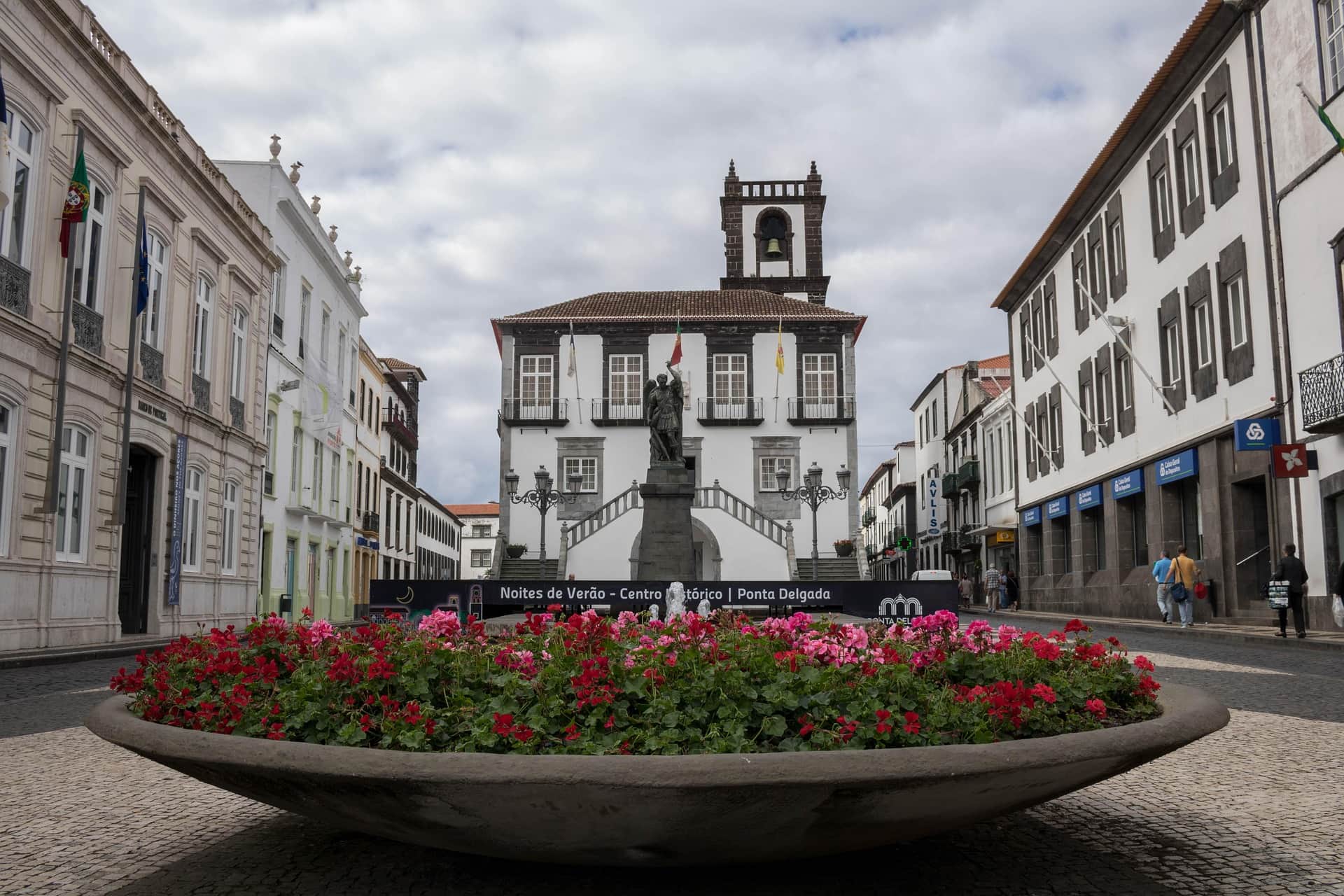
São Miguel: The largest island with diverse landscapes, hot springs, and historical sites.
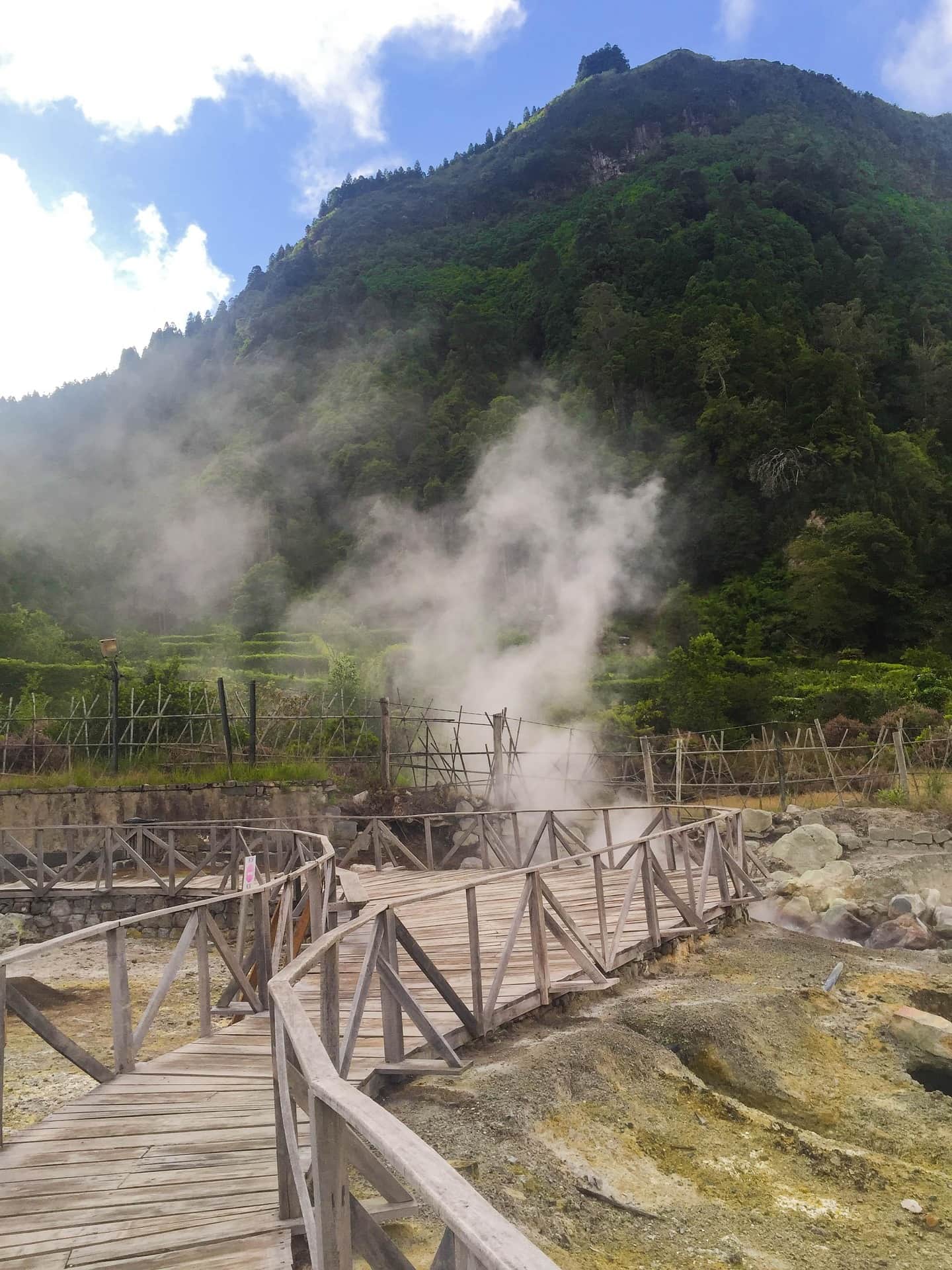
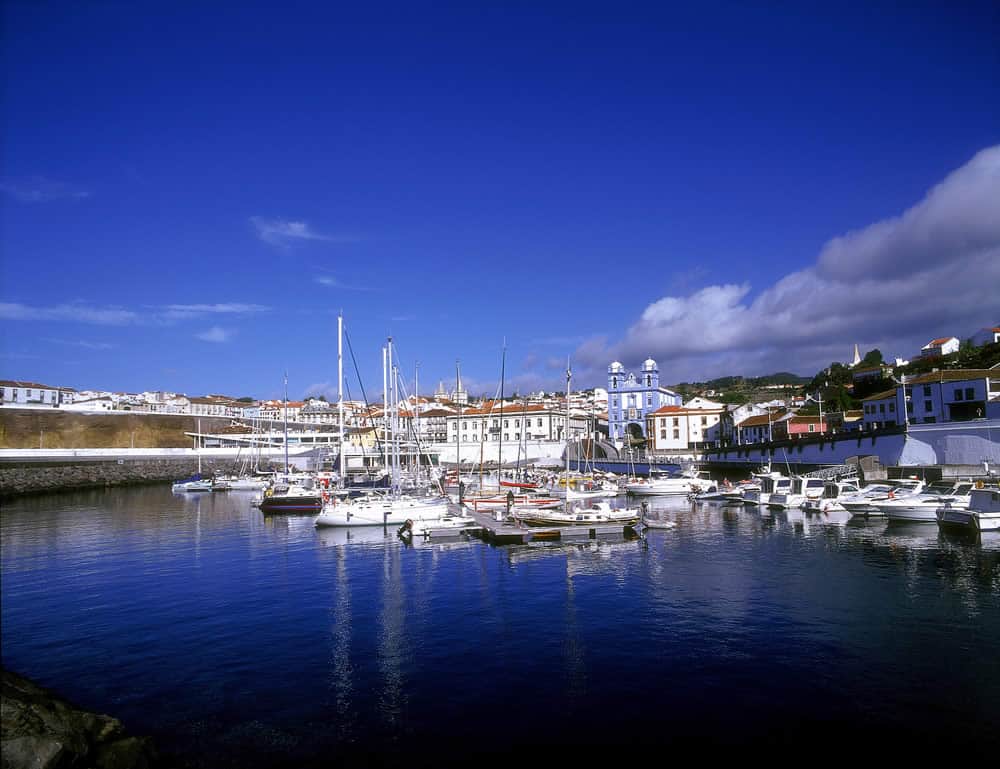
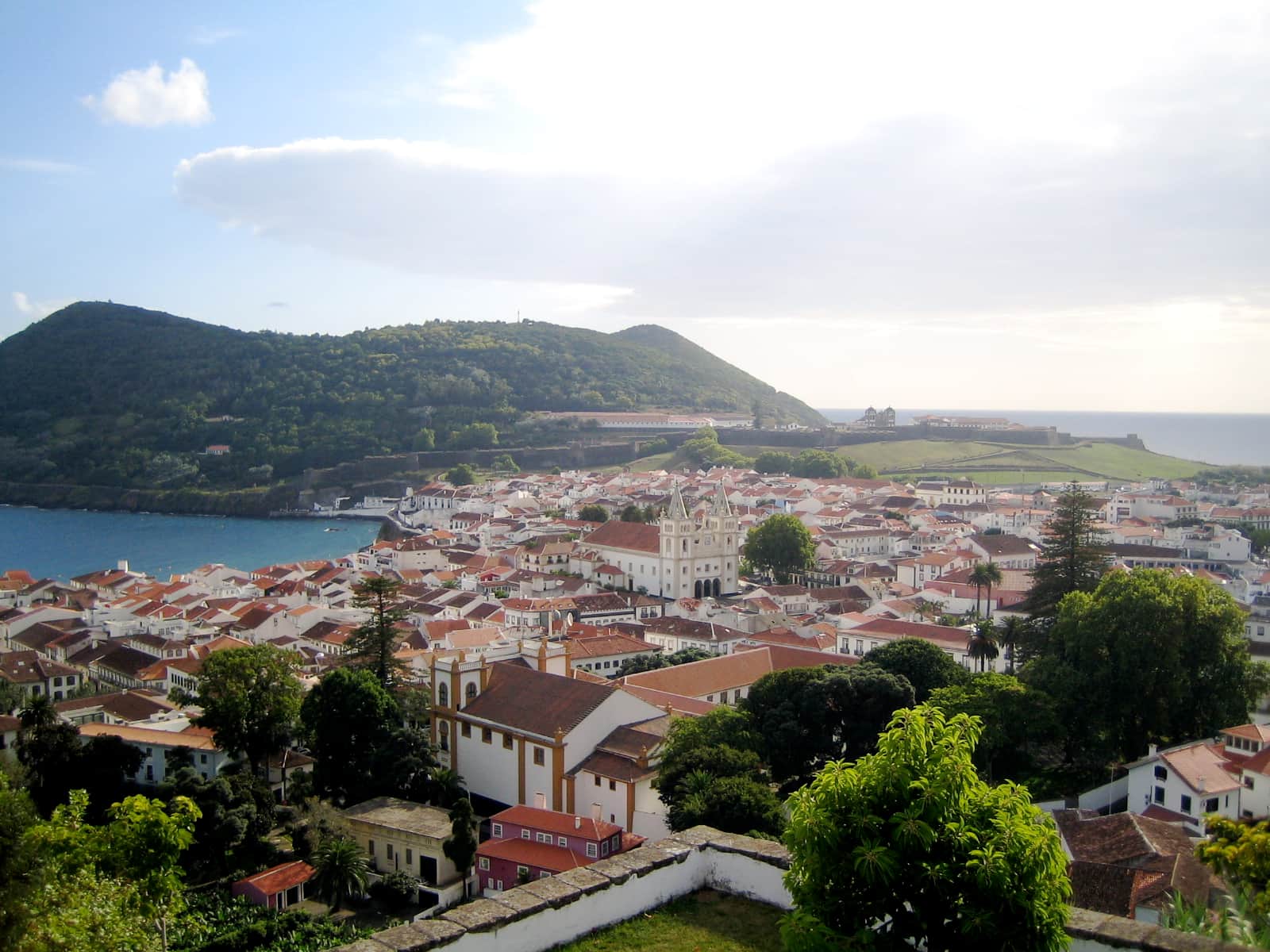
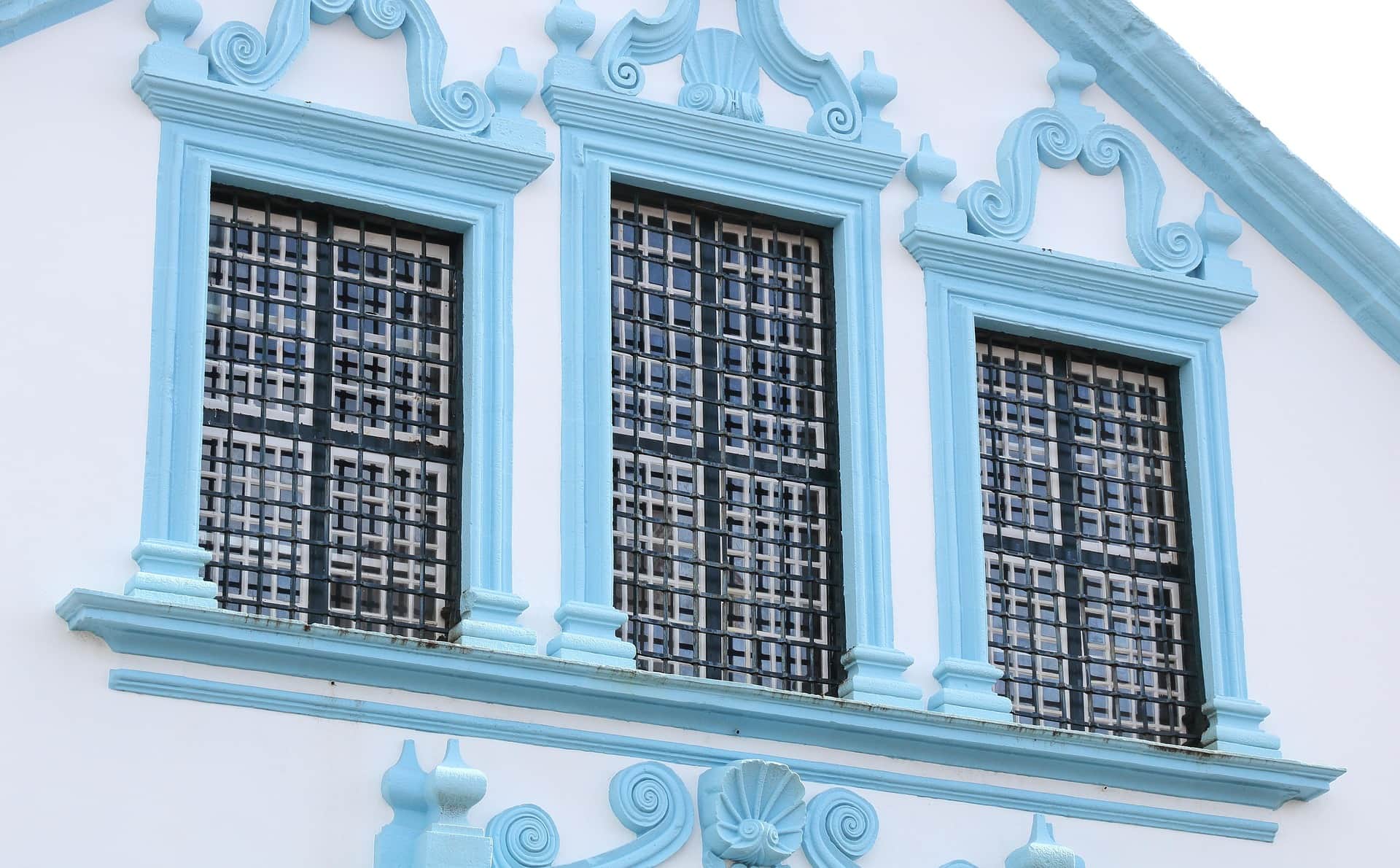
Terceira: Known for its UNESCO-listed Angra do Heroísmo and lively cultural events.
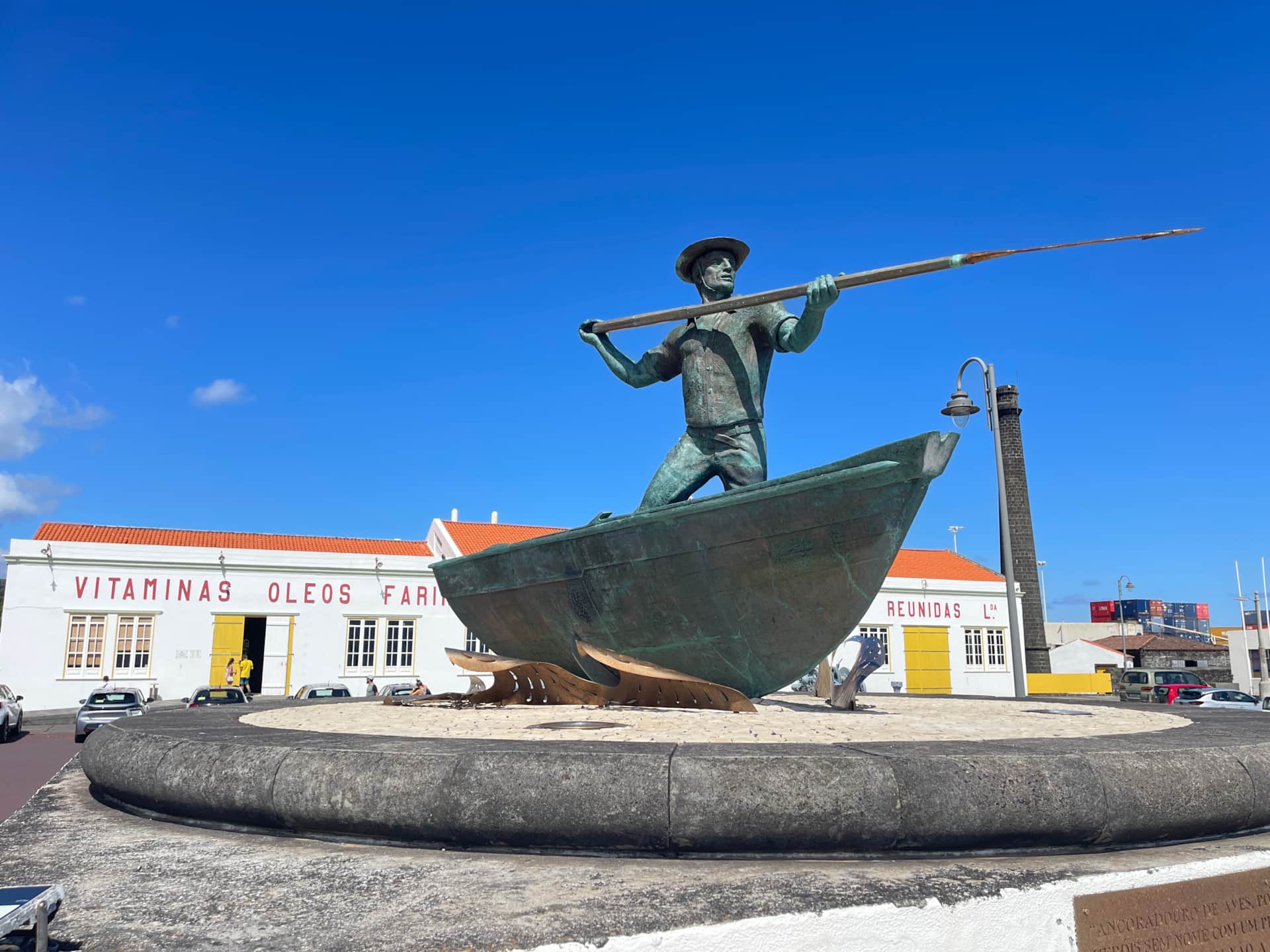
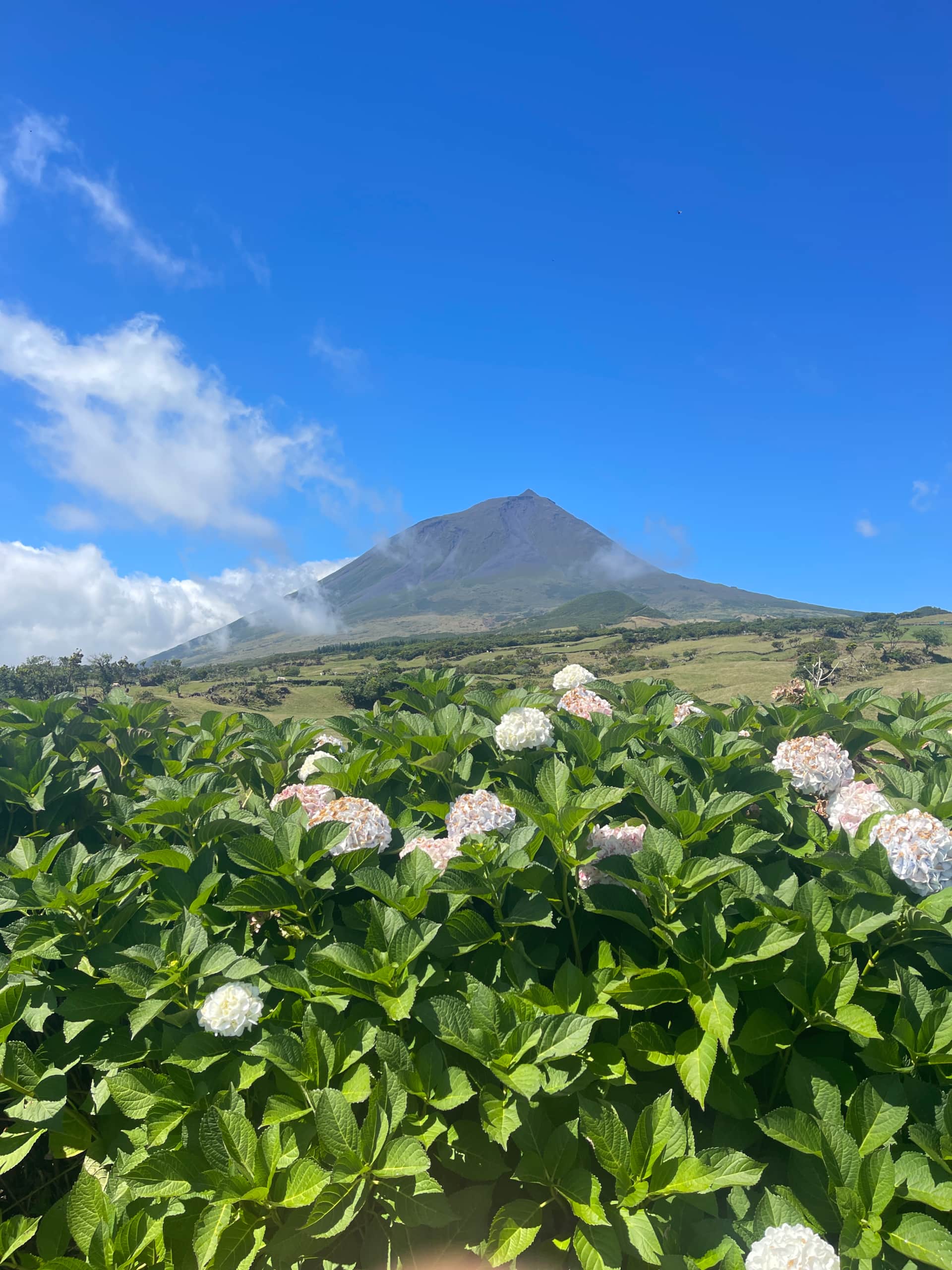
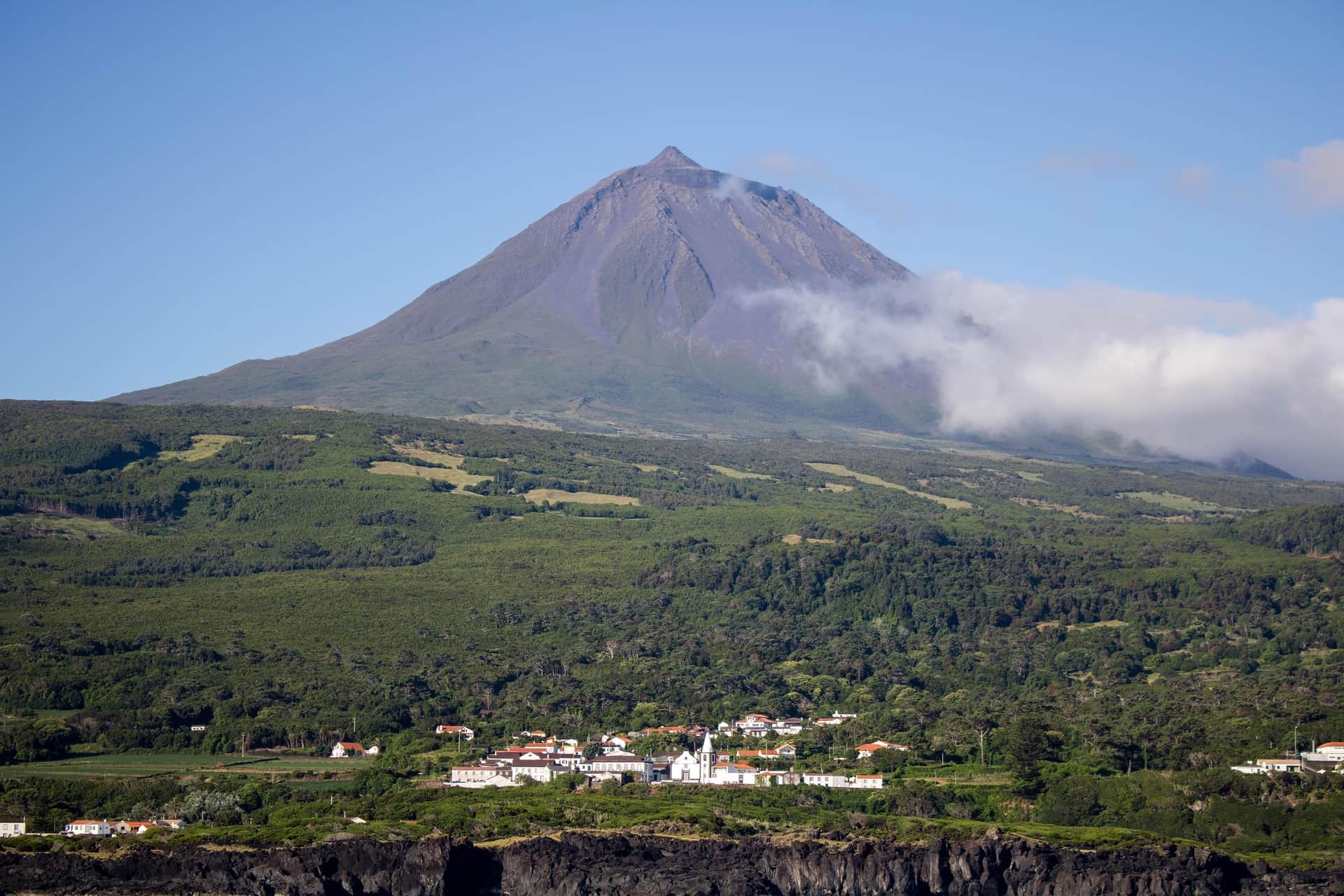
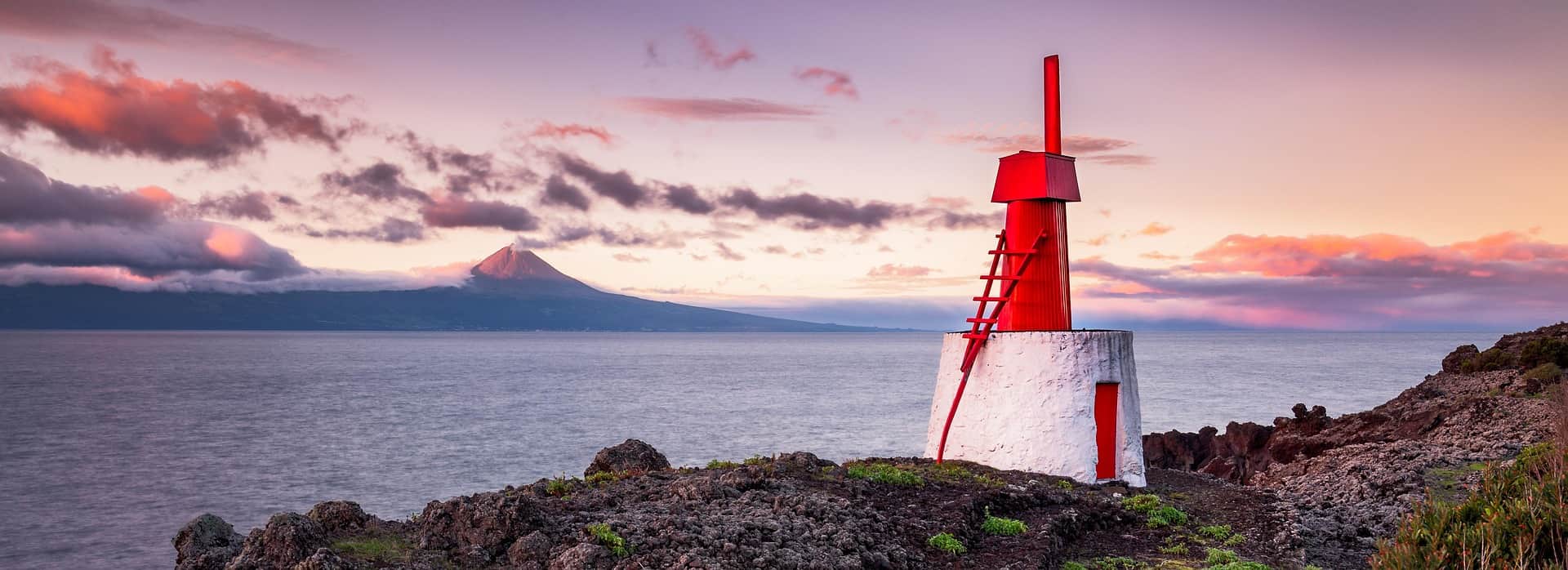
Pico: Famous for its UNESCO-listed vineyards and whale watching opportunities.
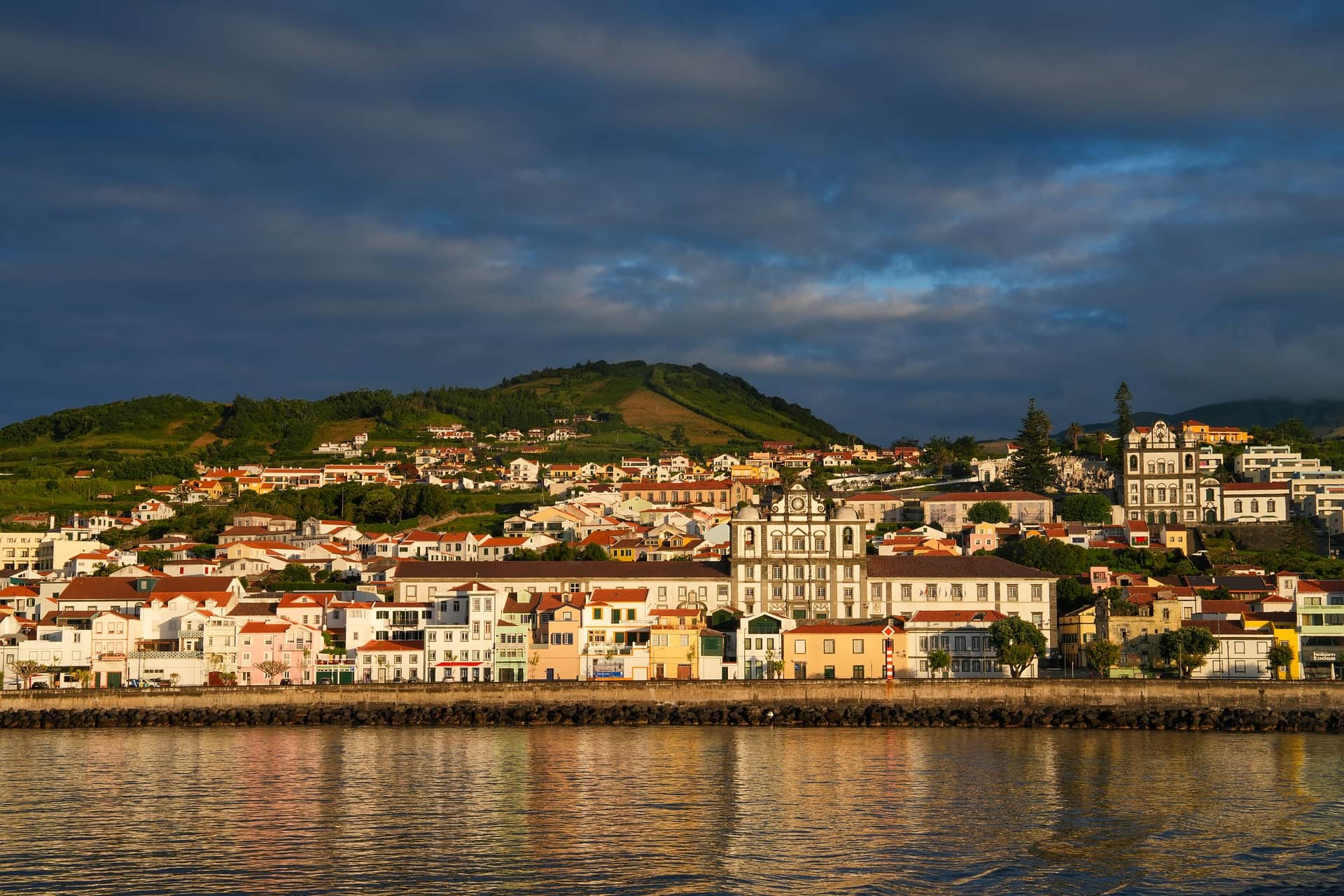
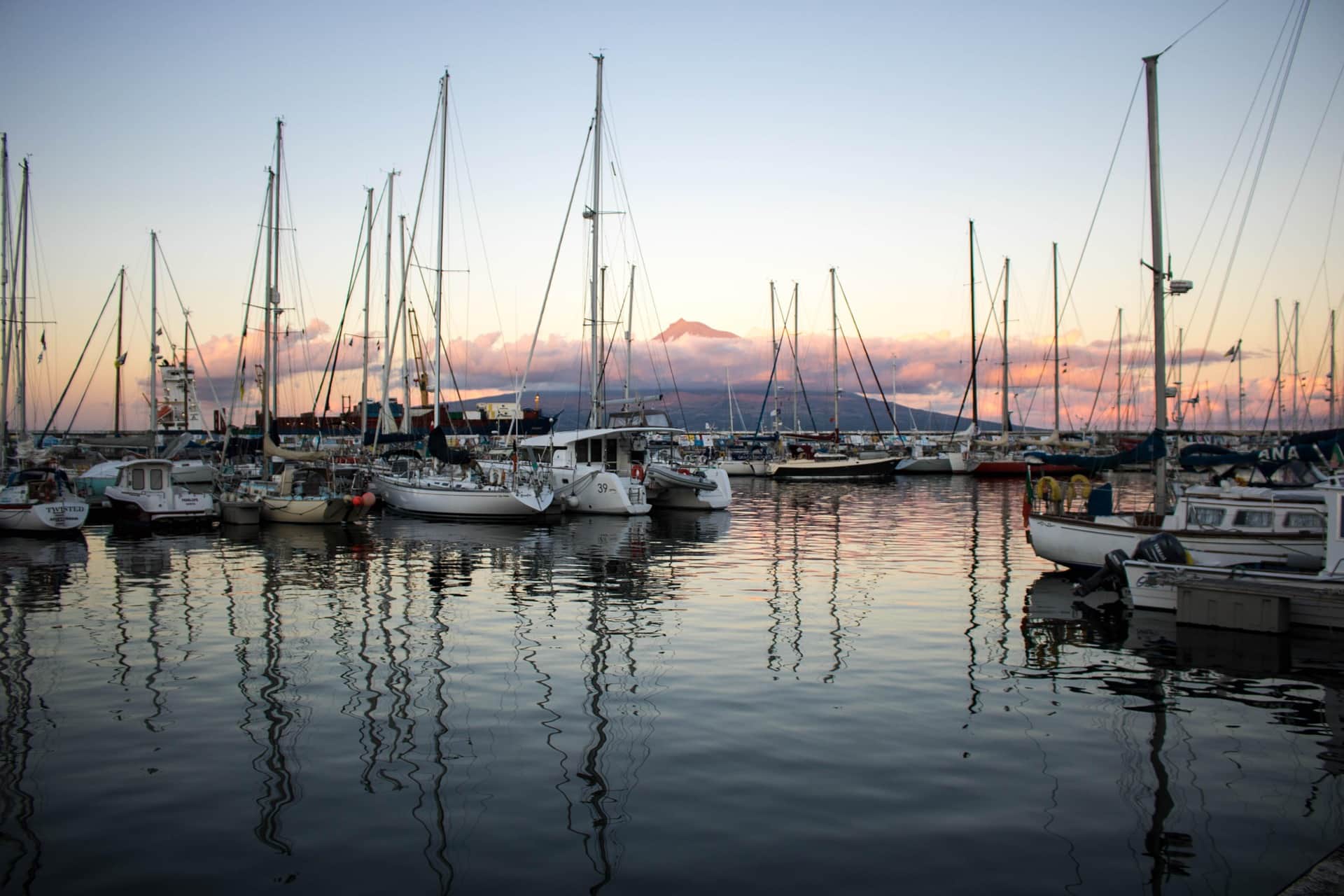
Faial: Explore the marina of Horta, the Capelinhos volcano, and the scenic landscapes.

São Jorge: Offers hiking trails along stunning cliffs and breathtaking views.
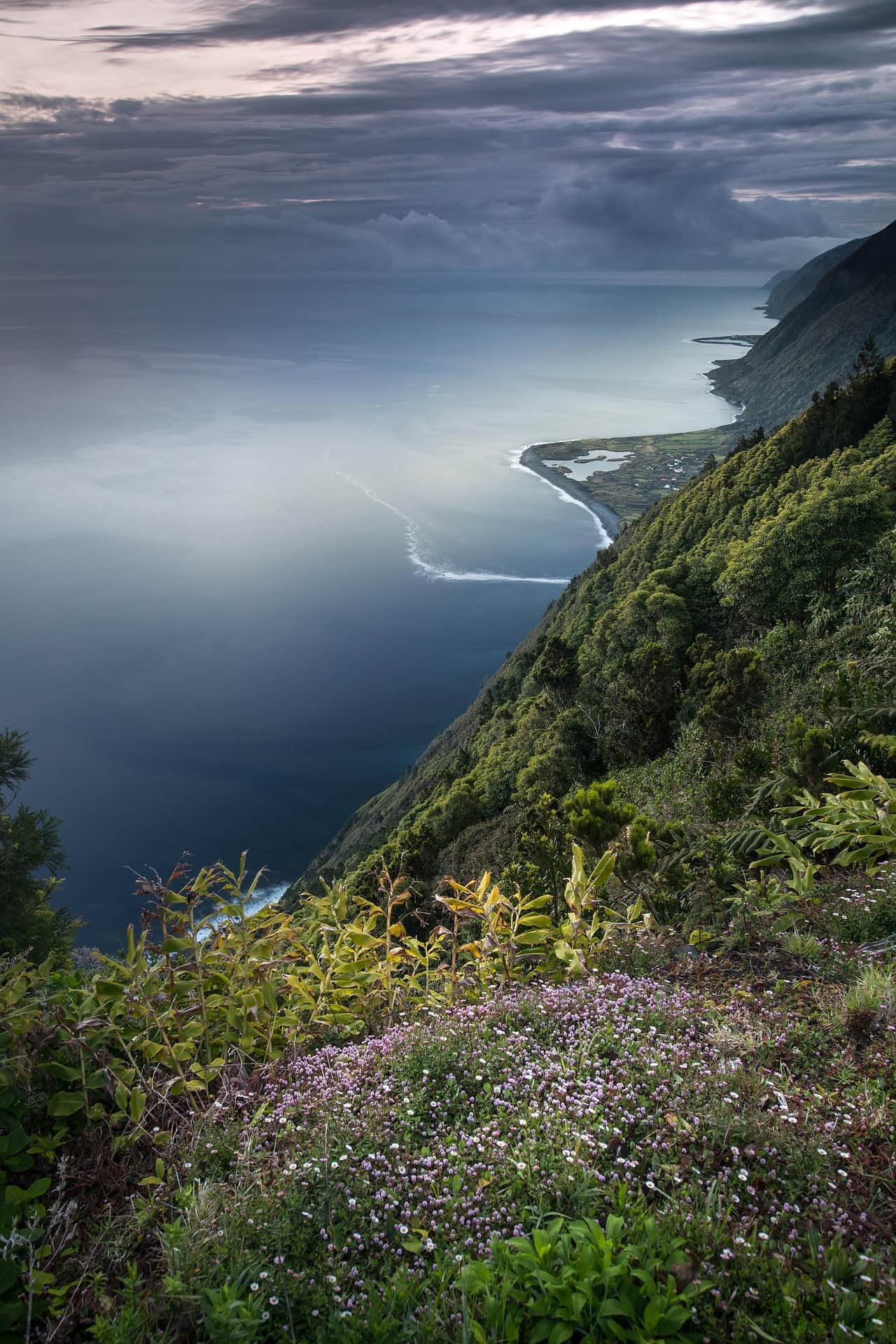
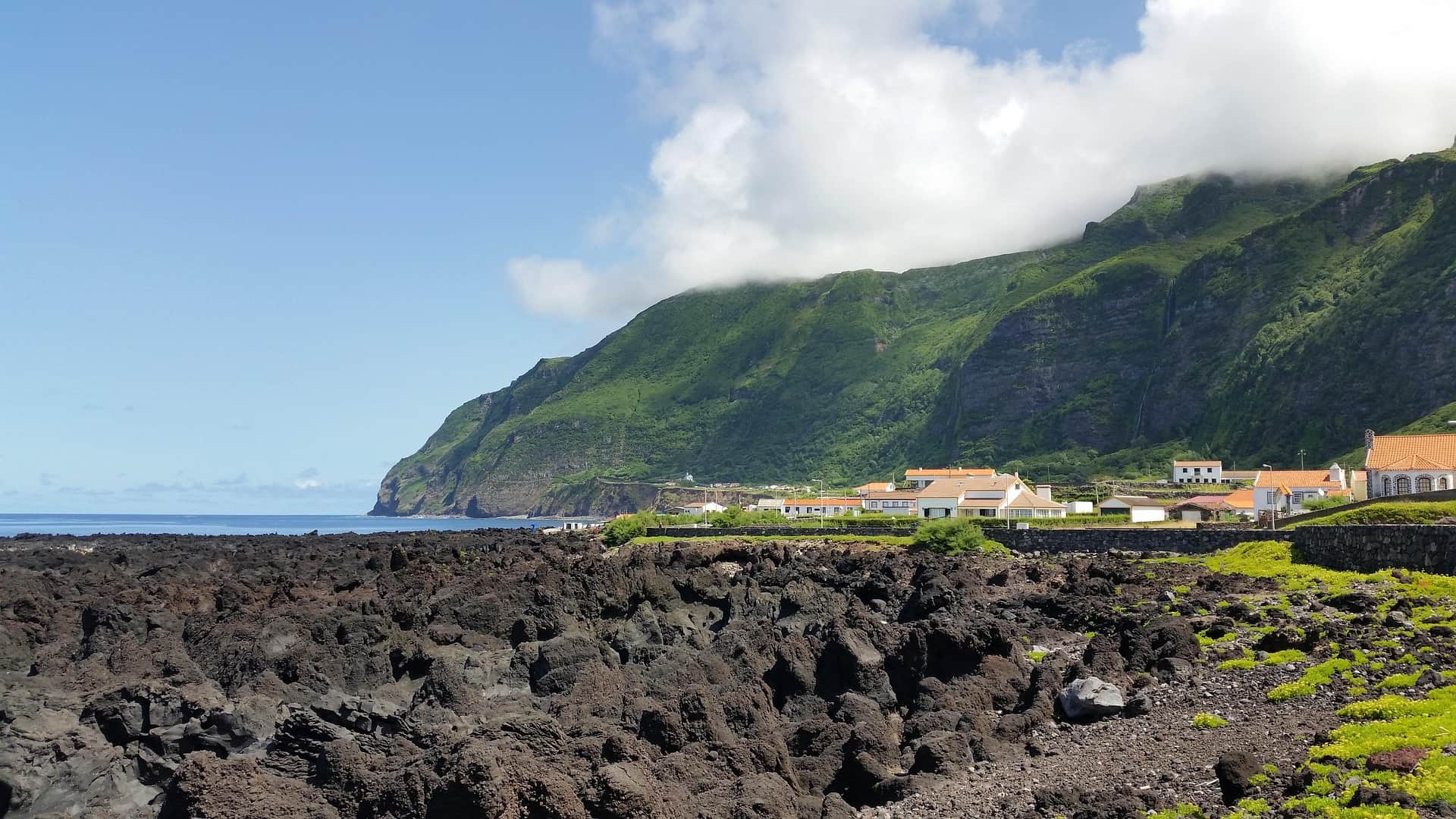
Flores: Known for its lush vegetation, waterfalls, and pristine natural beauty.


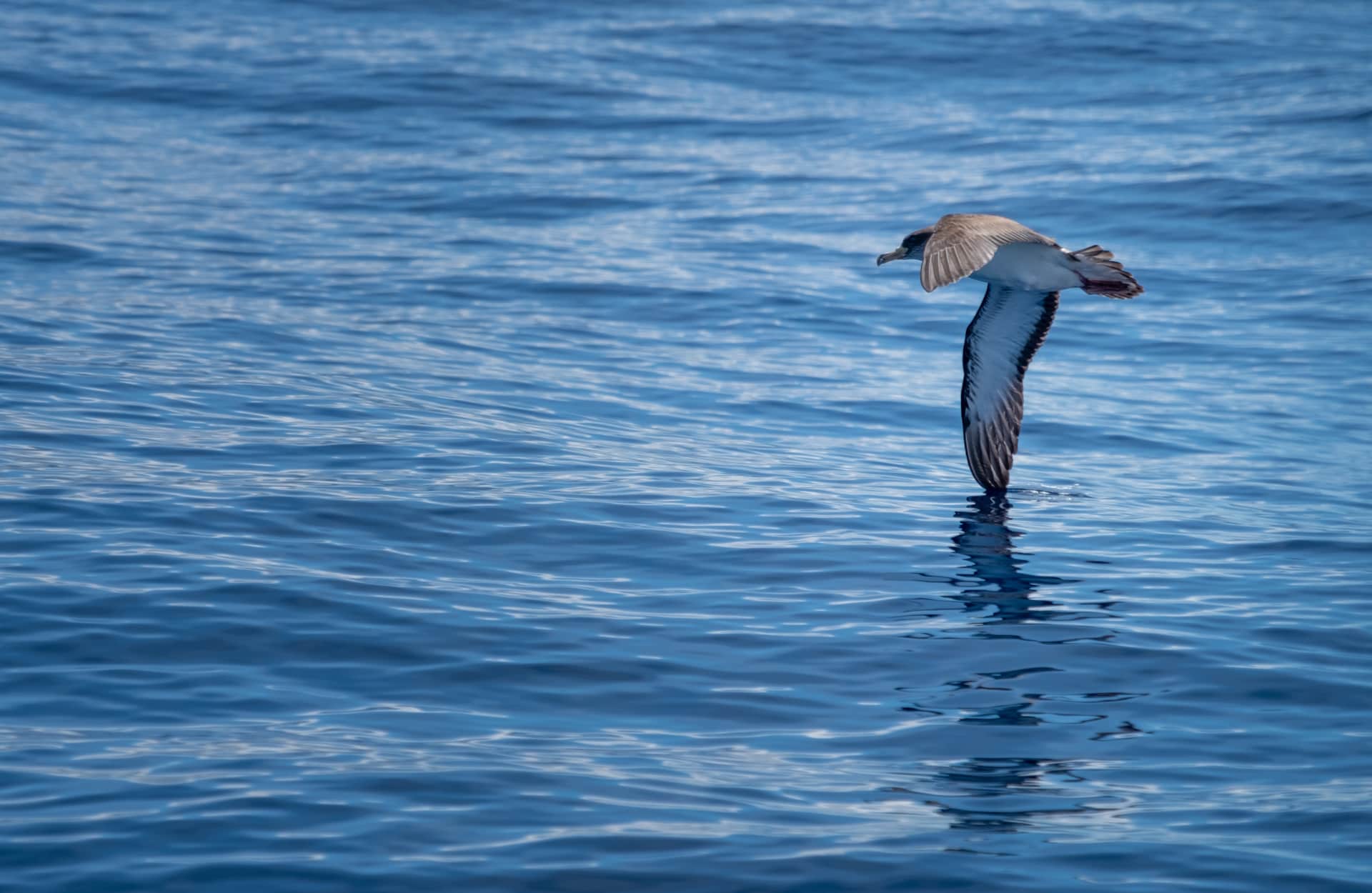
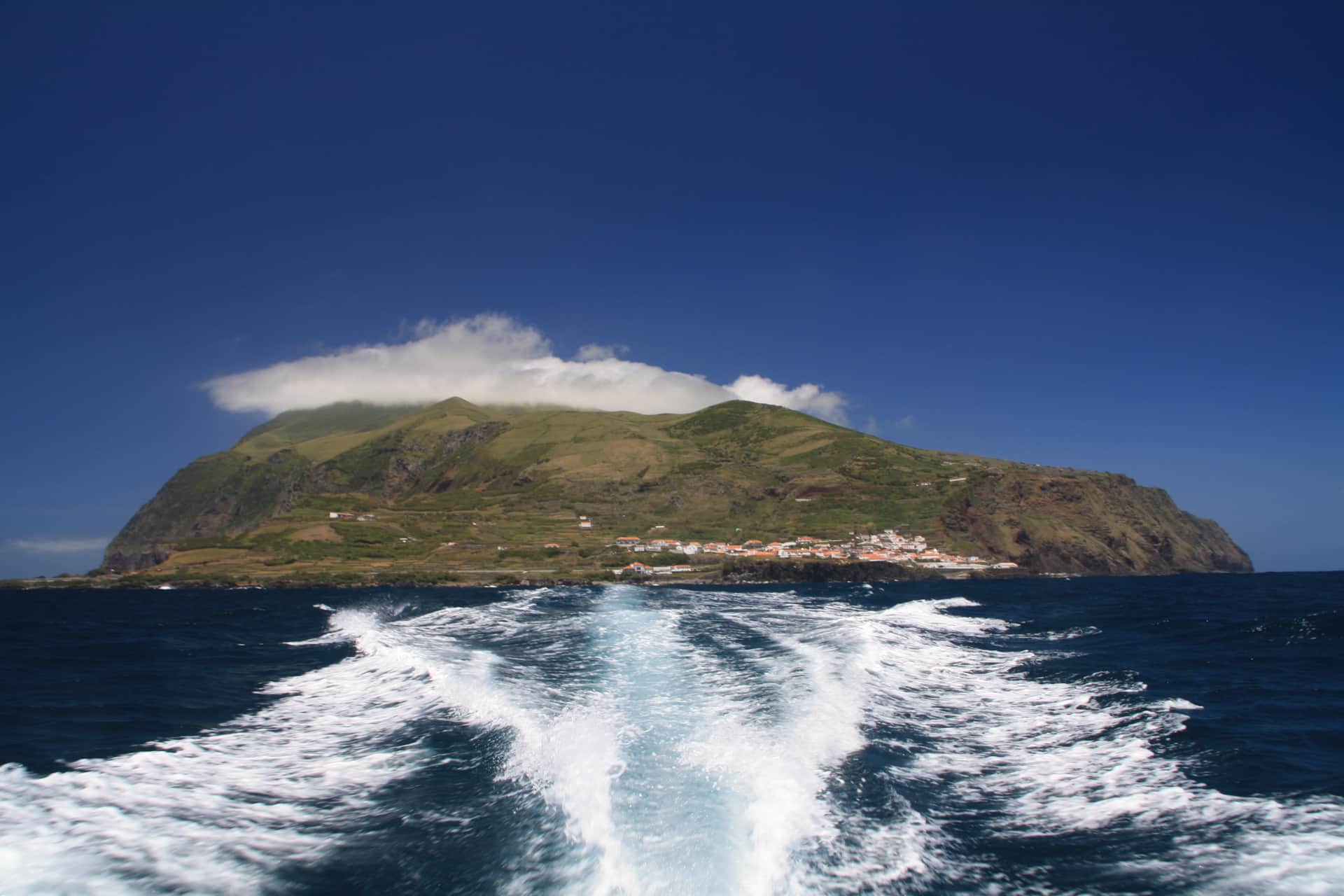
Corvo: The smallest island with a serene atmosphere and opportunities for bird watching.

4. Duration:
Time Allocation: Depending on the number of islands you want to visit, allocate a few days to a week on each island to fully experience its attractions.
5. Accommodation:
Varied Options: Each island offers a range of accommodations, from hotels to guesthouses and rural lodgings.
Book in Advance: During peak tourist seasons, it’s advisable to book accommodations in advance.
6. Activities:
Outdoor Adventures: Enjoy activities like hiking, whale watching, diving, and exploring natural landmarks.
Cultural Experiences: Immerse yourself in local culture, attend festivals, and try traditional cuisine.
Relaxation: Spend time at beaches, thermal pools, and enjoy leisurely strolls.
7. Time of Year:
Weather Considerations: The Azores have a mild climate year-round, but some activities might be more enjoyable during specific seasons.
8. Local Transportation:
Car Rentals: Renting a car on each island can provide flexibility to explore at your own pace.
9. Plan Ahead:
Itinerary: Plan your itinerary, transportation, and accommodations in advance to make the most of your time.
Local Tips: Seek advice from locals or tour operators for insights on hidden gems and must-visit spots.
Island hopping in the Azores allows you to experience the unique charm of each island while enjoying the convenience of inter-island transportation. Whether you’re seeking adventure, relaxation, cultural exploration, or a combination of experiences, the Azores’ diverse islands offer a range of options for an unforgettable journey.