
Diving
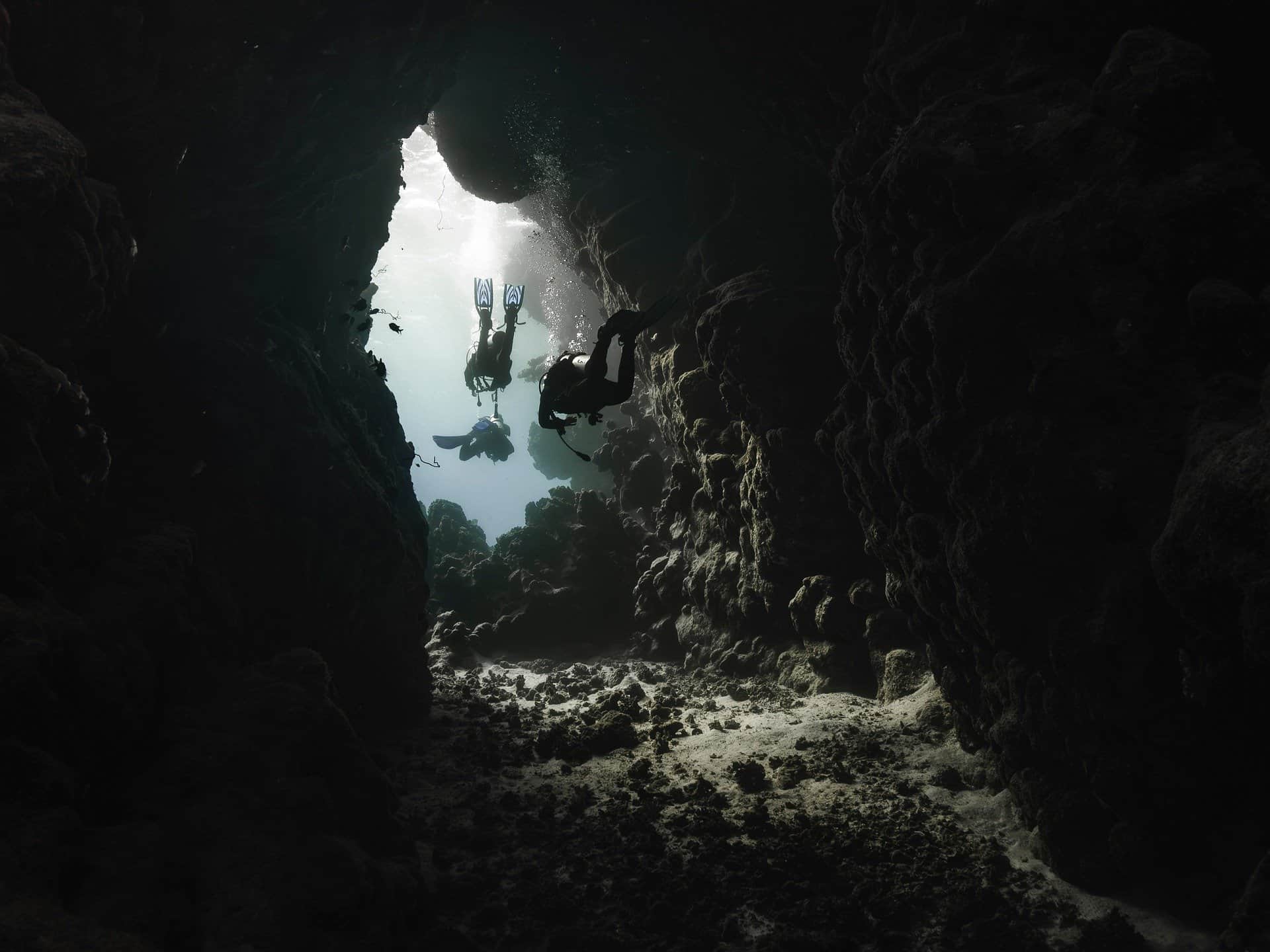
Diving in the Azores is a popular activity for those looking to explore the stunning underwater world of this unique archipelago. With its crystal-clear waters, diverse marine life, and volcanic formations, the Azores offer fantastic opportunities for both beginner and experienced divers. Here’s what you need to know about diving in the Azores:
1. Diving Sites:
Underwater Volcanoes: The Azores’ volcanic origin has led to the creation of unique underwater landscapes, including submerged calderas, seamounts, and lava formations.
Marine Biodiversity: The waters around the Azores are teeming with marine life, including various fish species, dolphins, whales, sharks, and even manta rays.
Shipwrecks: The history of the Azores is intertwined with maritime exploration, and there are several shipwrecks to explore in the depths.
2. Diving Centers:
Professional Guidance: There are many diving centers across the islands that offer guided diving trips, equipment rental, and training courses for divers of all levels.
Certification Courses: If you’re not yet a certified diver, some centers offer beginner courses that can lead to open water certification.
3. Best Time to Dive:
Diving Season: The best time for diving in the Azores is typically from May to October when the weather and sea conditions are more favorable.
4. Marine Protected Areas:
Conservation: The Azores have established marine protected areas to preserve and protect the marine environment. Always follow guidelines and respect these areas.
5. Dive Sites:
Princess Alice Bank: This seamount is famous for encounters with large pelagic species such as manta rays, sharks, and schools of fish.
Formigas Islets: Known for their biodiversity and clear waters, these islets are a favorite among divers.
Dori Pinnacle: Located off São Jorge Island, this dive site offers impressive underwater landscapes and marine life.
6. Safety and Guidelines:
Safety First: Prioritize safety by following dive guidelines, using proper equipment, and adhering to the instructions of your dive operator.
7. Equipment Rental:
Rentals Available: Many diving centers offer equipment rental, but if you have your own gear, make sure it’s in good condition and suitable for the conditions.
8. Local Regulations:
Permits and Regulations: Check local regulations and obtain any necessary permits before diving. This is especially important for protected areas.
9. Photography and Wildlife Interaction:
Photography: Bring an underwater camera to capture the incredible marine life and underwater landscapes.
Respect Wildlife: Always maintain a respectful distance from marine life, and avoid touching or disturbing any creatures.
Useful links:
https://www.twinpeaksdivingcen...
https://brizacores.wixsite.com...
https://www.diversclubazores.c...
https://www.pico-island-advent...
10. Dive Certification:
Certified Divers: If you’re a certified diver, you’ll have access to a wider range of dive sites and experiences.
Diving in the Azores provides an unforgettable opportunity to explore the underwater wonders of the Atlantic Ocean. With its rich marine life, unique geological formations, and clear waters, the Azores offer a truly remarkable diving experience for enthusiasts of all levels.
Whale watching
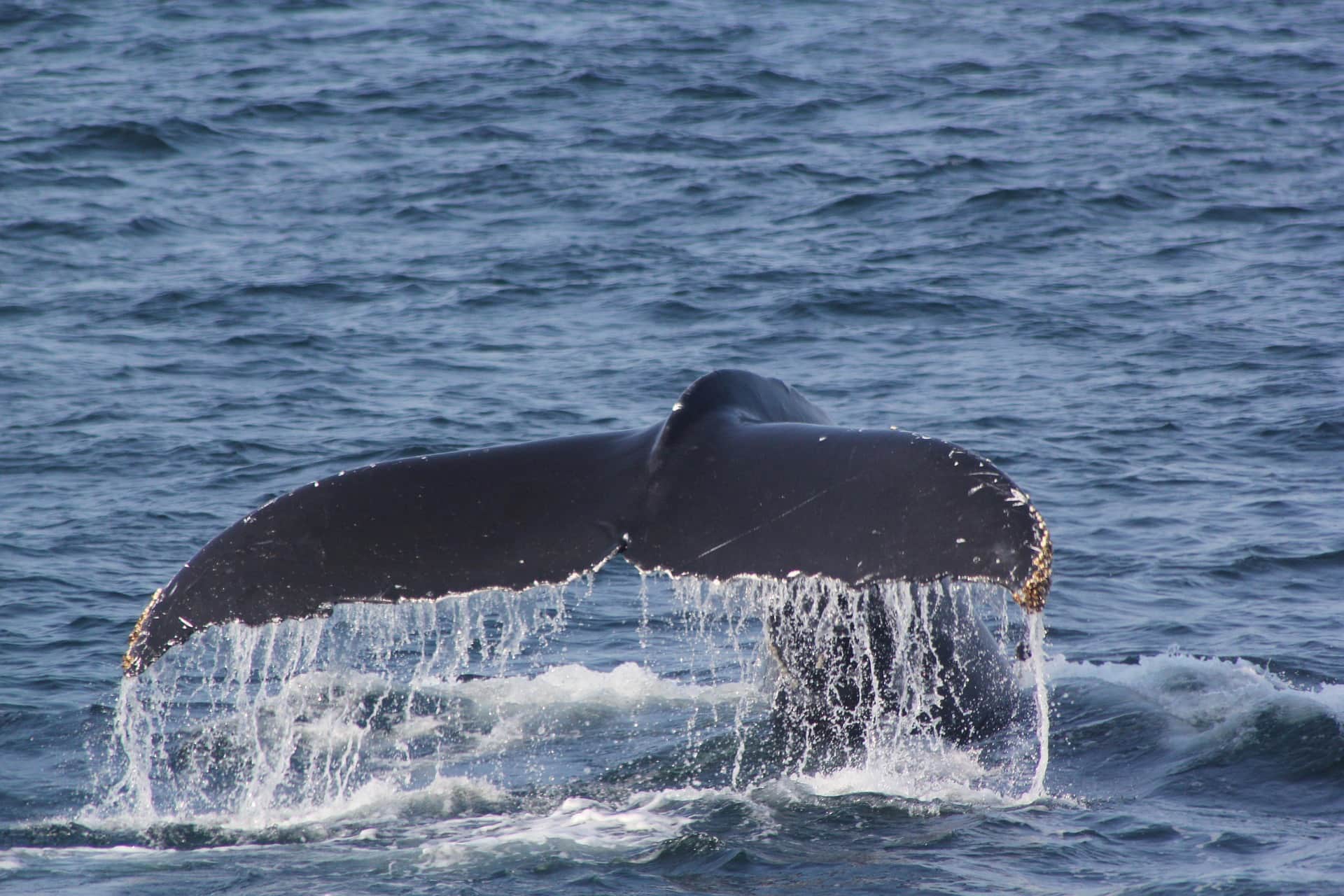
Whale watching in the Azores is a popular and awe-inspiring activity, given the archipelago’s position in the Atlantic Ocean, which provides rich feeding grounds for a variety of whale and dolphin species. Here’s what you need to know about whale watching in the Azores:
1. Best Time for Whale Watching:
Season: The prime whale watching season in the Azores typically runs from April to October. However, sightings are possible year-round due to the presence of resident and migratory species.
2. Whale and Dolphin Species:
Common Sightings: The Azores are known for sightings of several species, including sperm whales, common dolphins, bottle nose dolphins,
and Risso’s dolphins.
Other Species: Depending on the time of year and location, you might also encounter species like humpback whales, fin whales, sei whales, and even the elusive blue whale.
3. Whale Watching Tours:
Guided Tours: Numerous tour operators offer guided whale watching tours with experienced crews and marine biologists on board to provide information about the marine life.
Boat Types: Depending on your preference and comfort level, you can choose from different types of boats, including larger vessels and smaller RIBs (rigid inflatable boats).
Reservations: It’s recommended to make reservations in advance, especially during peak tourist seasons, to secure your spot on a tour.
4. Respect for Marine Life:
Responsible Viewing: It’s important to practice responsible whale watching to minimize disturbances to the animals. Boats usually adhere to specific guidelines to maintain a safe and respectful distance.
Code of Conduct: Follow any code of conduct provided by the tour operator to ensure that the animals’ natural behaviors are not disrupted.
5. Weather Considerations:
Weather Impact: Weather conditions can affect tour availability and your comfort during the trip. Check the weather forecast and dress accordingly.
6. Wildlife Photography: Capture the Moment: Bring your camera or smartphone to capture the incredible moments of whales and dolphins in their natural habitat.
7. Marine Biologists on Board:
Learning Opportunities: Some tours include marine biologists who provide educational information about the animals you encounter and the marine ecosystem.
8. Local Regulations and Conservation:
Protected Species: Some whale and dolphin species in the Azores are protected by international and local regulations. Be aware of these regulations and respect them.
9. Respect Local Communities:
Local Culture: Remember that the Azores have a strong connection to the sea and marine life. Respect local communities’ efforts to promote responsible tourism and conservation.
Whale watching in the Azores offers a once-in-a-lifetime opportunity to witness these majestic creatures in their natural environment. As you embark on a whale watching adventure, prioritize responsible and respectful practices to ensure a positive experience for both you and the marine life you encounter.
Useful Links:
https://www.futurismo.pt/activ...
https://azoresexperiences.com/...
https://www.pico-island-advent...
https://www.pico-island-advent...https://terradopico.com/
Dolphin swimming
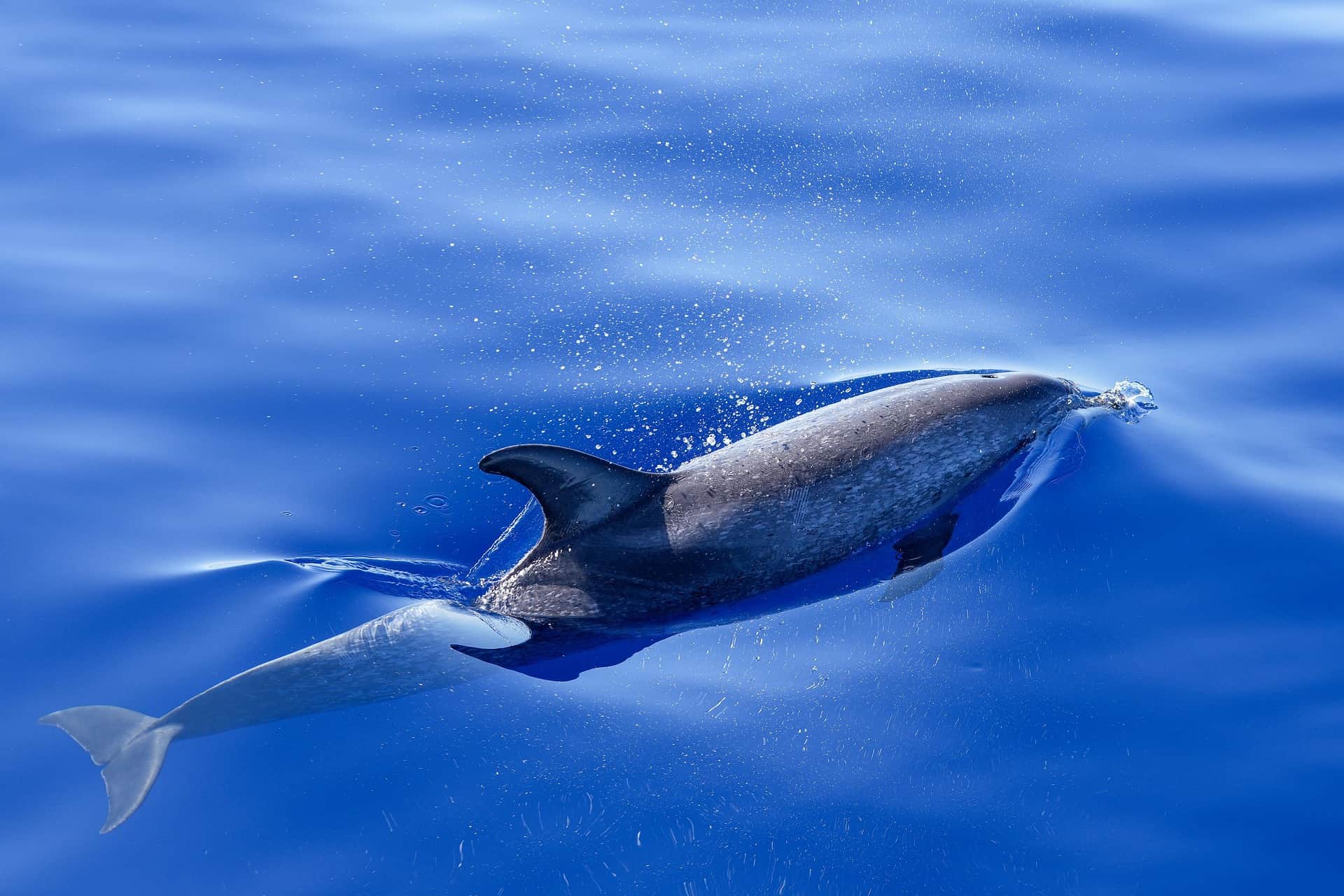
Swimming with dolphins in the Azores can be an incredible and memorable experience. The Azores are known for their rich marine life, including various species of dolphins. However, it’s important to approach dolphin swimming with caution, responsibility, and respect for the animals and their natural habitat. Here’s what you should know:
1. Responsible Dolphin Swimming:
Guided Tours: Swimming with dolphins should always be done through guided tours with experienced operators who prioritize the well-being of the animals.
Educational Component: Many dolphin swimming tours include an educational component about the species you’ll encounter and the importance of conservation.
2. Dolphin Species:
Common Species: Bottlenose dolphins and common dolphins are among the species commonly encountered during dolphin swimming tours in the Azores.
3. Interaction Guidelines:
Respectful Interaction: When swimming with dolphins, it’s important to follow guidelines to ensure minimal impact on their behavior and natural habitat.
No Touching: Avoid touching, grabbing, or pursuing the dolphins. Maintain a respectful distance at all times.
4. Wildlife Observation:
Observe Natural Behavior: The goal of dolphin swimming tours is to observe dolphins in their natural environment and witness their behaviors without disturbing them.
Avoid Disturbance: Loud noises and sudden movements can stress the dolphins. Listen to your guide’s instructions to ensure a peaceful interaction.
5. Safety Measures:
Safety Briefing: Prior to swimming with dolphins, tour operators typically provide safety instructions to ensure participants’ well-being.
Safety Equipment: Depending on the tour, you might be provided with wetsuits, snorkeling gear, and flotation devices.
6. Weather and Sea Conditions:
Weather Impact: Dolphin swimming tours are weather-dependent. Check the weather forecast and sea conditions before your scheduled tour.
7. Conservation and Ethics:
Educational Focus: Many dolphin swimming tours aim to educate participants about dolphin behavior, conservation efforts, and the importance of protecting marine ecosystems.
8. Photography and Memories:
Capture the Moment: Bring an underwater camera or waterproof smartphone case to capture the amazing moments of swimming with dolphins.
9. Regulations and Permits:
Regulatory Compliance: Reputable tour operators will adhere to local regulations and guidelines for dolphin swimming.
10. Local Insights:
Learn from Locals: Local guides often have a deep understanding of the dolphins’ behavior and the best practices for interacting with them.
Swimming with dolphins in the Azores can be an incredible and emotionally rewarding experience. By choosing a responsible and ethical tour operator and following guidelines for respectful interaction, you can create lasting memories while contributing to the conservation of these amazing marine creatures and their natural habitat.
Lava cave tours
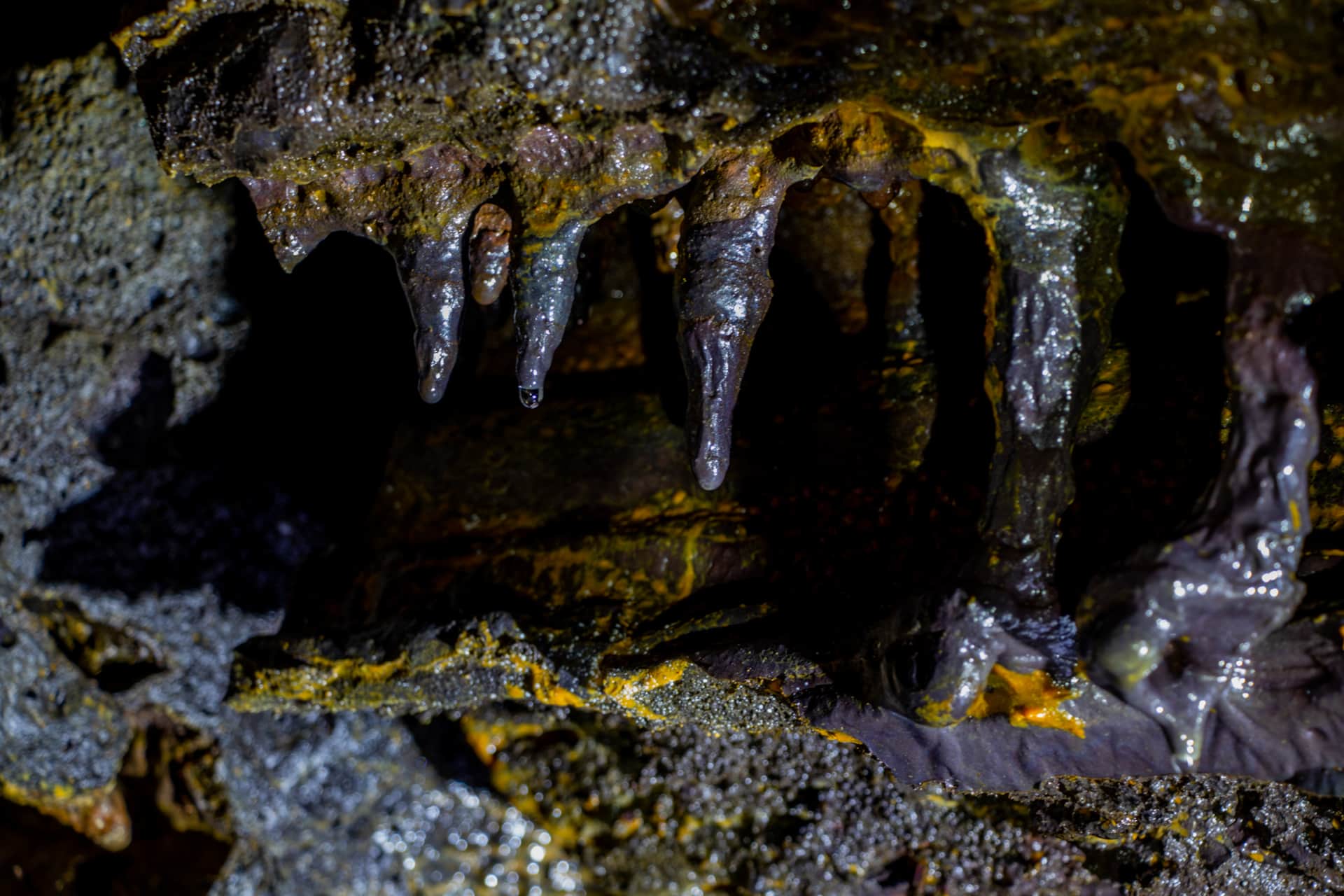
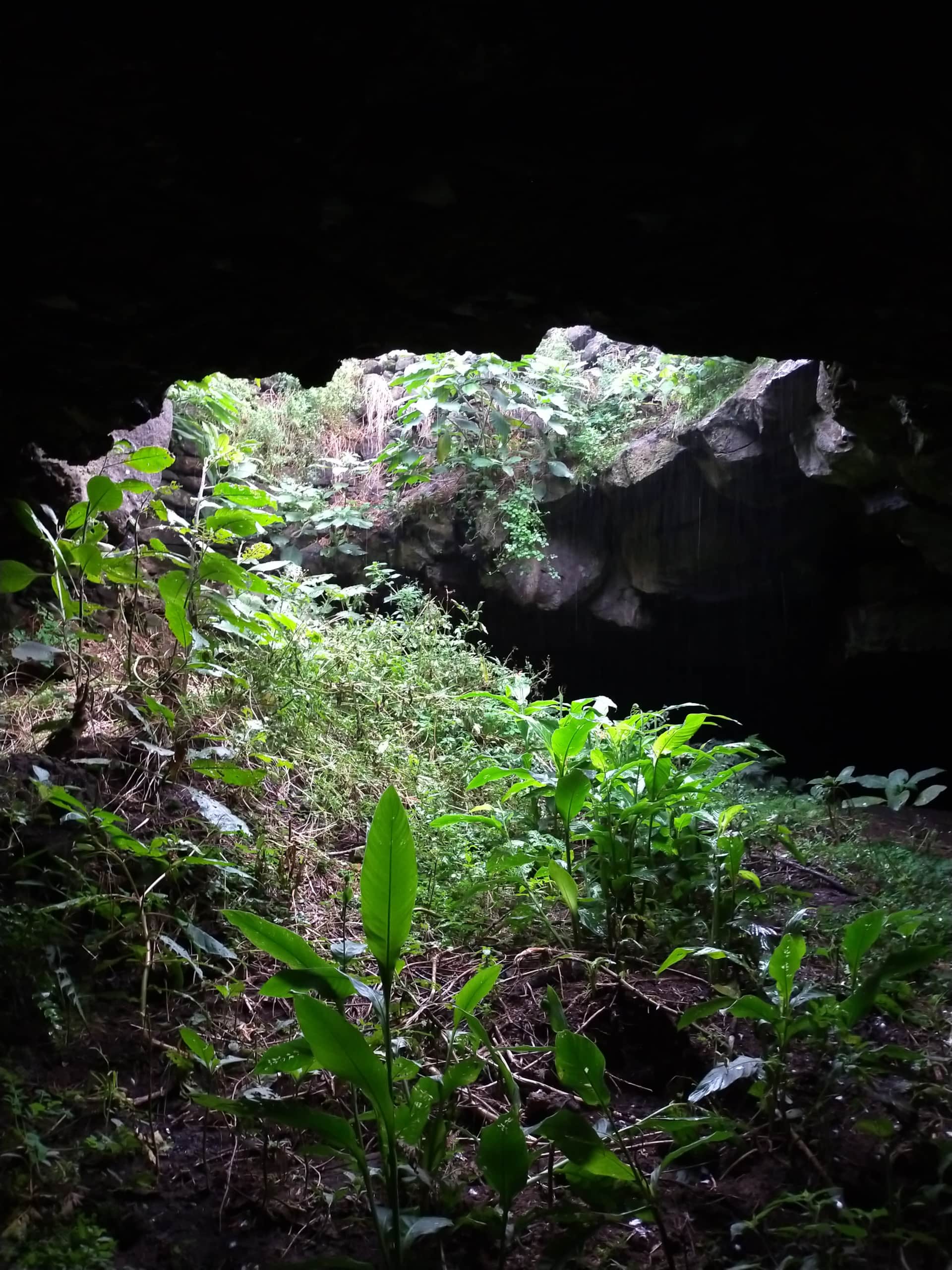
Exploring lava caves in the Azores is a fascinating and unique adventure that allows you to discover the geological wonders created by volcanic activity. Lava caves, also known as lava tubes or volcanic tunnels, are formed when molten lava flows and solidifies, leaving behind intricate underground passages. Here’s what you need to know about lava cave tours in the Azores:
1. Guided Tours:
Expert Guides: Lava cave tours are usually guided by experts who provide insights into the geology, formation, and history of the caves.
Safety: Guides ensure your safety by providing necessary equipment and instructions for navigating the caves.
2. Equipment and Preparation:
Clothing: Wear comfortable clothing that you don’t mind getting dirty. Long sleeves and pants are recommended to protect against scratches and abrasions.
Footwear: Sturdy hiking boots or closed-toe shoes with good traction are essential for walking on uneven surfaces.
Helmets and Lights: Helmets and headlamps are provided to ensure visibility and safety as you explore the dark caves.
3. Cave Varieties:
Lava Tubes: Lava tubes are long, tunnel-like caves formed by flowing lava. They can vary in size and complexity.
Stalactites and Stalagmites: Some lava caves might feature unique formations, such as mineral deposits and lava stalactites and stalagmites.
4. Accessibility:
Skill Levels: Some lava caves are more accessible to beginners and families, while others might require more physical agility and a willingness to crawl or climb.
5. Cultural and Historical Significance:
Cultural Insights: Some lava caves have historical and cultural significance for the local communities. Guides may share stories about how these caves were used by past inhabitants.
6. Weather and Conditions:
Temperatures: Cave temperatures are generally cooler than outside temperatures. Be prepared for changes in temperature as you explore.
7. Safety Considerations:
Follow Instructions: Listen carefully to your guide’s instructions regarding safety, movement, and any restrictions within the caves.
Physical Limitations: Let your guide know if you have any physical limitations that could affect your ability to navigate the cave.
8. Respect for the Environment:
Leave No Trace: Always respect the cave environment by not touching formations and avoiding littering.
9. Local Regulations:
Permits: Some lava caves might require permits or permission to access. Ensure you’re aware of any regulations before your tour.
10. Photography and Memories:
Capture the Experience: Bring a camera or smartphone with a flashlight function to capture the unique features of the cave.
Exploring lava caves in the Azores provides an opportunity to witness the geological processes that shaped the islands and to experience a different side of the archipelago’s natural beauty. As you embark on a lava cave tour, be prepared to learn about the region’s volcanic history and create lasting memories of this one-of-a-kind adventure.
Useful Links: https://parquesnaturais.azores...
Mountain camping under the stars
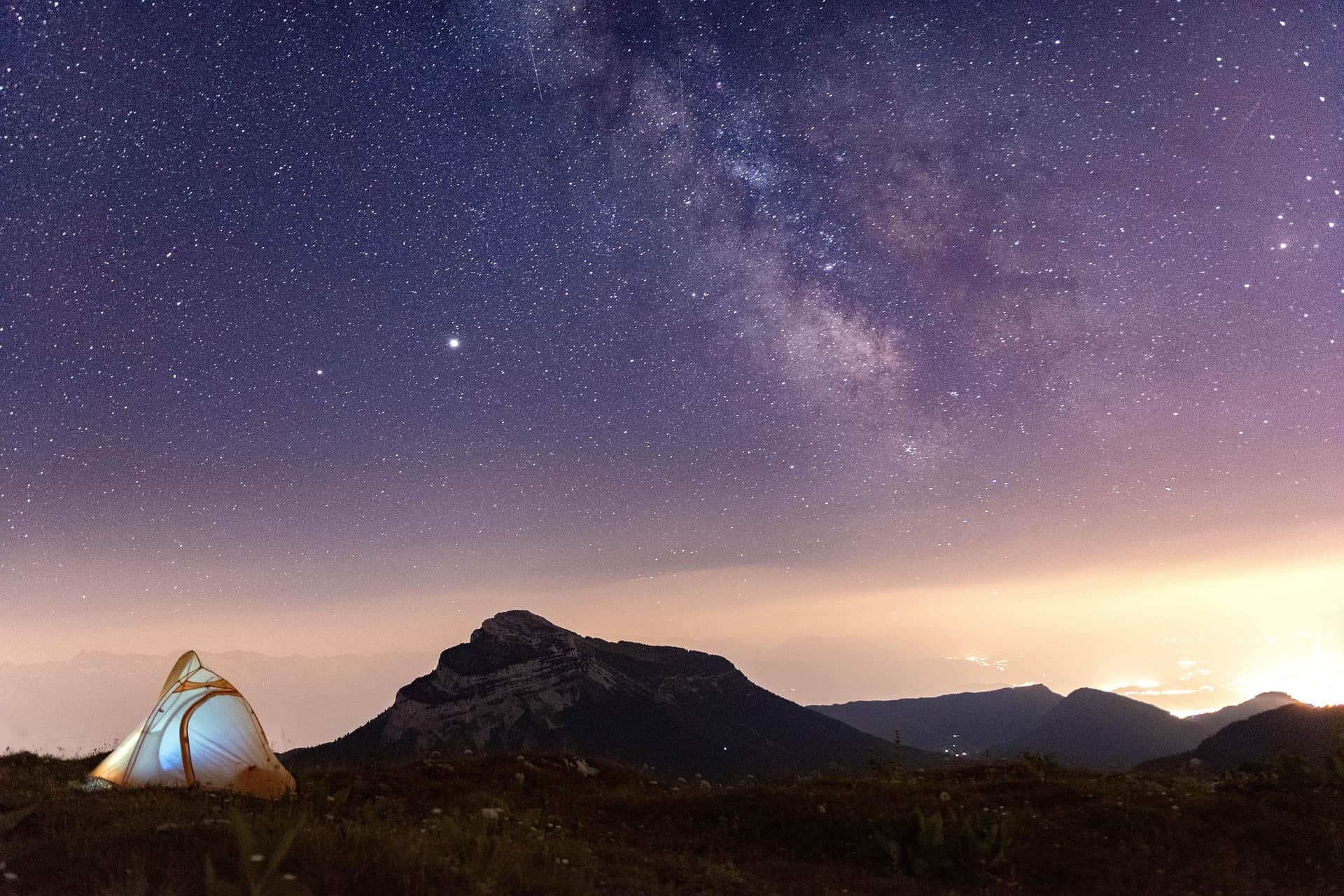
Camping in the mountains of the Azores under the starry night sky can be an incredibly rewarding and immersive experience. The archipelago’s natural beauty, diverse landscapes, and clear skies create a perfect setting for mountain camping and stargazing. Here’s what you need to know for a memorable camping adventure: 1. Choose Your Location:
Designated Campgrounds: Some of the Azores’ islands have designated campgrounds where you can set up tents. These areas are equipped with basic facilities such as toilets and sometimes showers.
Remote Camping: If you’re experienced in wilderness camping, you might explore more remote areas in accordance with local regulations.
2. Regulations and Permits:
Check Regulations: Research and understand the camping regulations for the specific island you plan to visit. Some areas might require permits or have restrictions to protect the environment.
3. Gear and Equipment:
Tents: Choose a sturdy and weather-resistant tent suitable for mountain camping.
Sleeping Gear: Bring warm sleeping bags and sleeping pads for comfort and insulation.
Cooking Supplies: If allowed, bring lightweight camping stoves and cookware for preparing meals.
Clothing: Pack warm clothing, as temperatures can drop significantly at higher elevations, especially during the night.
Headlamp or Flashlight: Essential for navigating in the dark and setting up camp after sunset.
4. Stargazing:
Dark Skies: The Azores are known for their dark skies, making them an excellent location for stargazing. Away from city lights, you’ll have a chance to observe stars, planets, and even the Milky Way.
Stargazing Apps: Consider using stargazing apps to identify constellations and celestial objects.
5. Leave No Trace:
Respect Nature: Follow the principles of Leave No Trace to minimize your impact on the environment. Pack out all trash and avoid damaging vegetation.
6. Safety:
Weather Awareness: Be prepared for changing weather conditions. Check the weather forecast before your trip and bring appropriate clothing.
Navigation: Familiarize yourself with the area and bring a map, compass, or GPS device for navigation.
Emergency Contact: Inform someone about your camping plans and expected return time.
7. Campfire Regulations:
Check Rules: Be aware of local regulations regarding campfires. In some areas, fires might be prohibited to protect the fragile ecosystem.
8. Respect for Locals:
Local Culture: If camping in remote areas, be respectful of local communities and their way of life.
9. Permits and Information:
Camping in the mountains of the Azores offers a unique opportunity to connect with nature, gaze at the stars, and experience the tranquility of the islands’ landscapes. As you plan your mountain camping adventure, prioritize safety, conservation, and responsible camping practices to ensure a positive experience for both you and the environment.
Useful Links:
https://www.explore-share.com/...
https://www.picomeup.com/produ...
Stargazing

Stargazing in the Azores is a captivating experience due to the archipelago’s remote location, minimal light pollution, and dark skies. Whether you’re an amateur astronomer or simply appreciate the beauty of the night sky, the Azores offer excellent conditions for observing celestial wonders. Here’s what you need to know about stargazing in the Azores:
1. Best Locations for Stargazing:
Dark Sky Areas: Look for locations away from city lights and artificial illumination. Higher elevations and more remote areas generally offer darker skies.
Isolated Beaches: Some beaches on the Azores’ islands provide open views of the night sky with minimal obstructions.
2. Ideal Times for Stargazing:
Clear Nights: Choose nights with clear skies and minimal cloud cover for optimal stargazing conditions.
New Moon: The period around the new moon, when the moon is not visible in the night sky, is ideal for observing fainter celestial objects.
3. Stargazing Equipment:
Binoculars: Binoculars can enhance your stargazing experience by allowing you to observe the moon, planets, and some deep-sky objects more closely.
Telescope: If you’re an astronomy enthusiast, consider bringing a portable telescope for more detailed observations of celestial bodies.
4. Constellations and Celestial Objects:
Milky Way: The dark skies of the Azores offer excellent views of the Milky Way, especially during moonless nights.
Planets: Depending on the time of year, you might be able to observe planets like Venus, Mars, Jupiter, and Saturn.
Meteor Showers: Check the dates of meteor showers, such as the Perseid's, and plan your stargazing outings accordingly.
5. Stargazing Apps:
Mobile Apps: Consider using stargazing apps to identify constellations, planets, and other celestial objects visible from your location.
6. Safety and Comfort: Warm Clothing: Even in the Azores, temperatures can drop at night, so dress warmly in layers.
Insect Repellent: In some areas, insects can be active at night, so bring insect repellent to ensure a comfortable experience.
7. Group Events and Tours:
Stargazing Tours: Some tour operators offer guided stargazing experiences with knowledgeable guides who can explain celestial phenomena.
8. Respect for the Environment:
Leave No Trace: Always adhere to the principles of Leave No Trace to protect the environment while enjoying the night sky.
9. Local Resources:
Local Observatories: If available, visit local observatories or astronomy clubs for insights, events, and guided stargazing sessions.
Stargazing in the Azores offers a serene and enchanting opportunity to connect with the universe’s wonders. Whether you’re watching for shooting stars, admiring the Milky Way, or observing planets, the Azores’ dark skies will provide you with a memorable and mesmerizing experience of the cosmos.
Birds watching
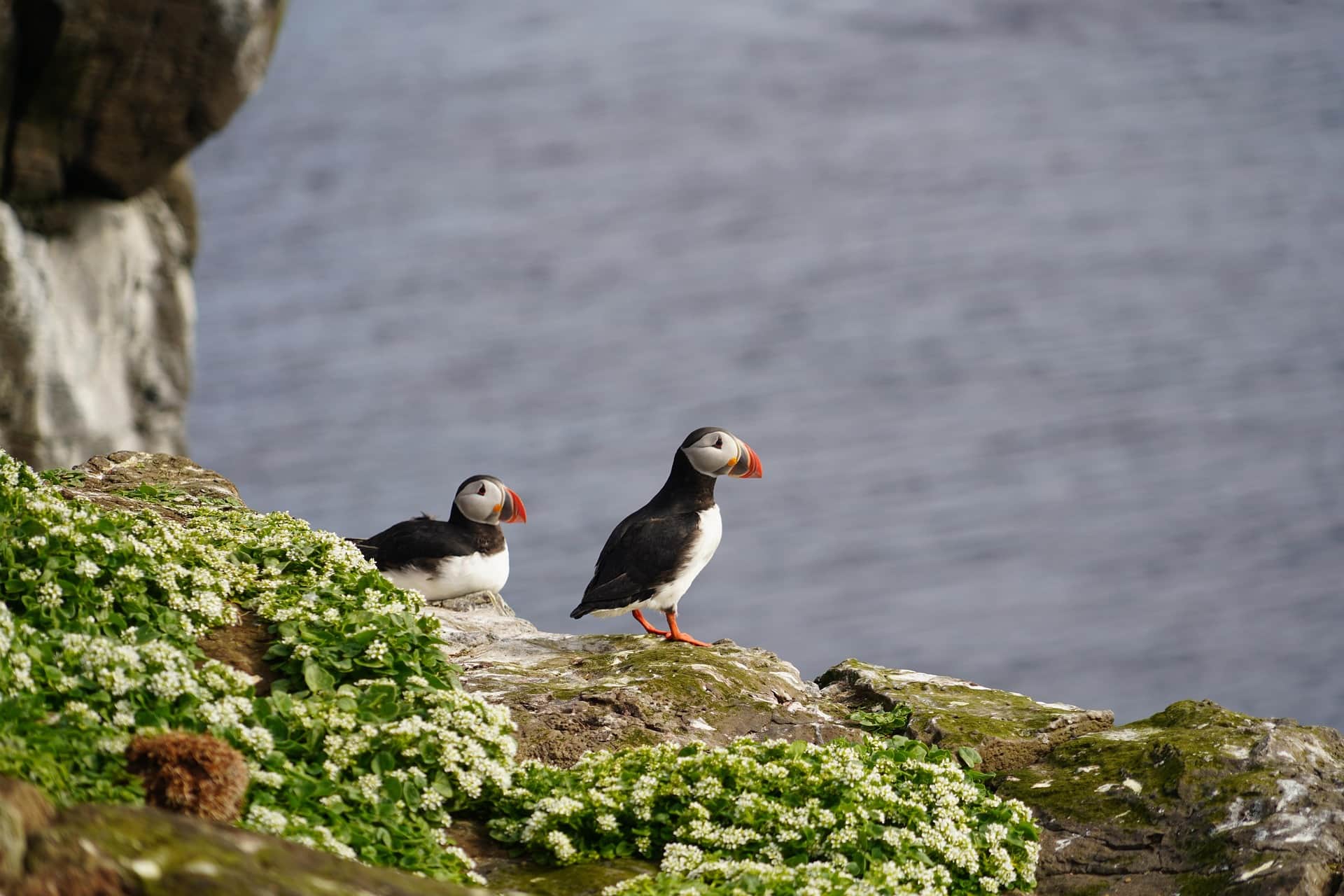
Bird watching in the Azores is a rewarding and immersive activity, thanks to the archipelago’s diverse landscapes and rich avian biodiversity. The islands serve as important stopover points for migratory birds and are home to various resident species. Here’s what you need to know about bird watching in the Azores:
1. Bird Species:
Resident Birds: The Azores are home to several resident bird species, including the Azores Bullfinch (Priolo), which is endemic to the islands.
Migratory Birds: Many migratory birds pass through the Azores during their migrations, making it an excellent location for observing a wide range of species.
2. Best Times for Bird Watching:
Migration Seasons: The spring and fall migration seasons are particularly rewarding for bird watching, as you can observe both resident species and migratory visitors.
3. Birding Hotspots:
São Miguel: The largest island, São Miguel, offers a variety of habitats, from coastal areas to forested mountains, making it a great place for bird watching.
Terceira: This island features diverse landscapes and is home to the endemic Azores Bullfinch.
Flores and Corvo: These westernmost islands provide opportunities to observe seabirds and migrating species.
4. Equipment and Gear:
Binoculars: A good pair of binoculars is essential for observing birds from a distance.
Field Guide: Bring a field guidebook specific to the birds of the Azores to help with identification.
5. Guided Tours and Local Experts:
Guided Birding Tours: Consider joining guided birding tours led by local experts who are familiar with the best birding spots and can help with identification.
Local Knowledge: Engage with local bird enthusiasts or guides who can provide insights into the area’s avian residents.
6. Conservation and Ethics:
Respect Wildlife: Maintain a respectful distance from the birds to avoid causing stress or disturbance.
Protect Habitats: Stay on designated paths and trails to minimize habitat disruption.
7. Bird Identification:
Recording Sightings: Keep a birding journal or use a smartphone app to record your bird sightings.
8. Timing and Patience:
Be Patient: Bird watching requires patience and stillness. Spend time quietly observing and waiting for birds to appear.
9. Dress and Camouflage:
Neutral Clothing: Wear neutral-colored clothing that blends into the environment to avoid startling the birds.
10. Local Events and Festivals:
Birding Festivals: The Azores occasionally host birding festivals and events that celebrate the islands’ avian diversity. These events can be great opportunities to meet other bird enthusiasts and learn from experts.
Bird watching in the Azores offers an opportunity to connect with nature, observe unique species, and immerse yourself in the islands’ ecosystems. By practicing responsible birding and respecting the natural habitats, you can enjoy a memorable experience while contributing to the conservation of the Azores’ avian treasures.